Derui chamber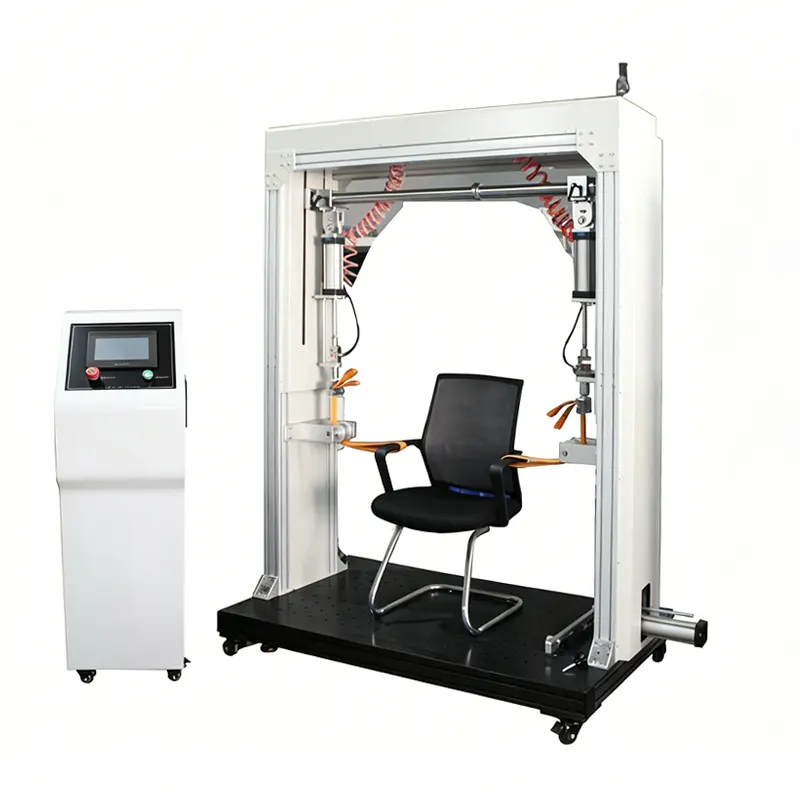

 Message
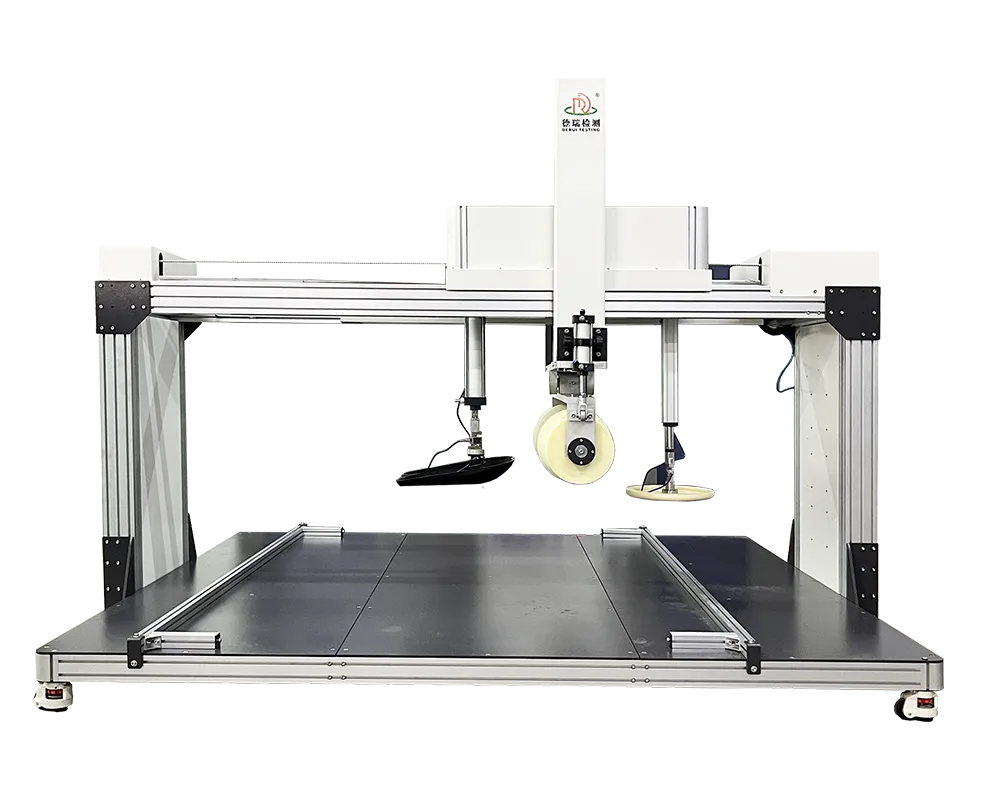
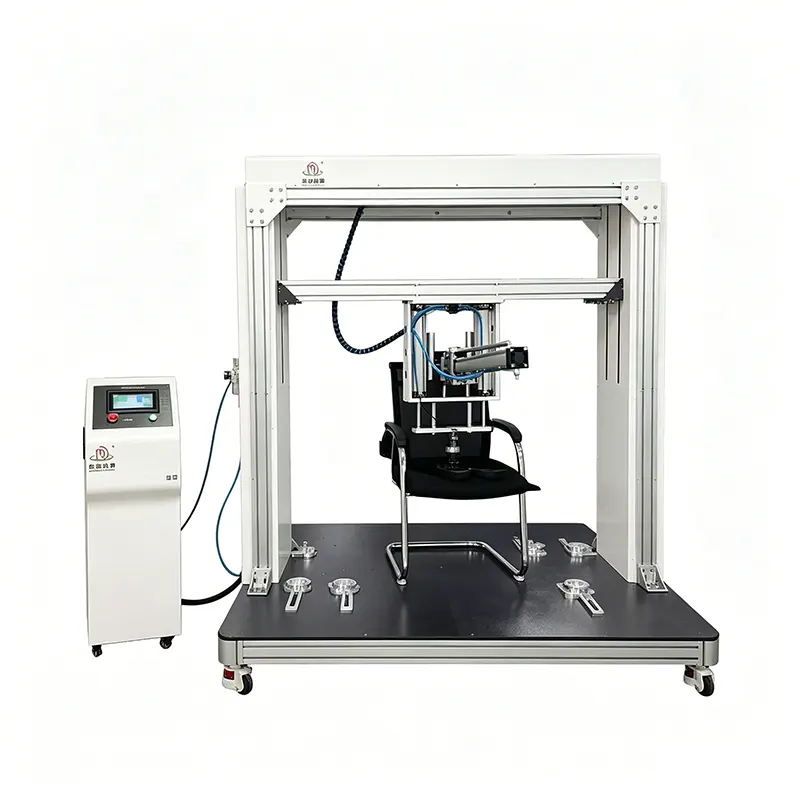
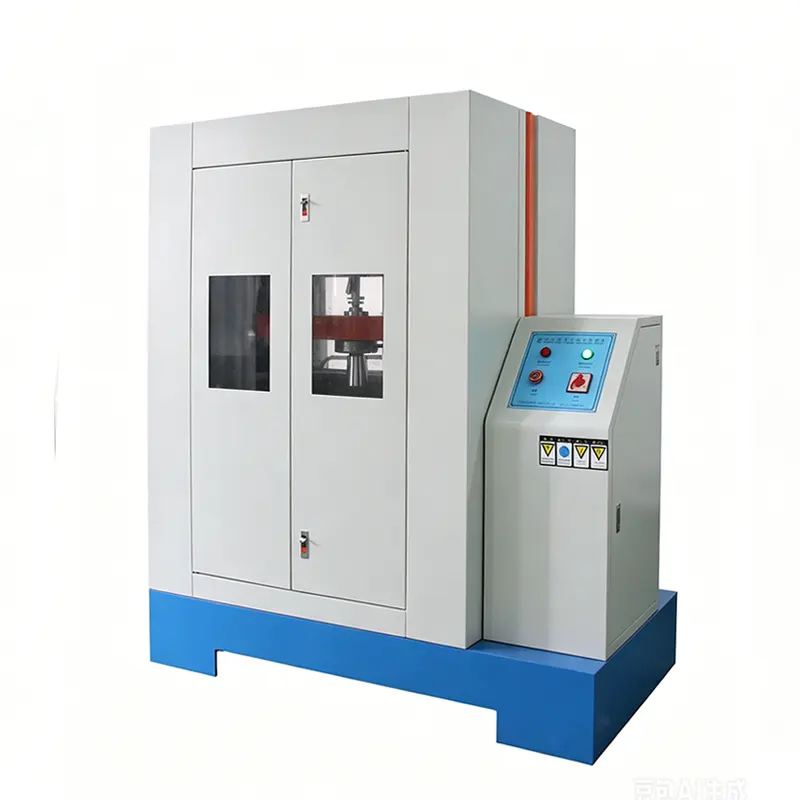
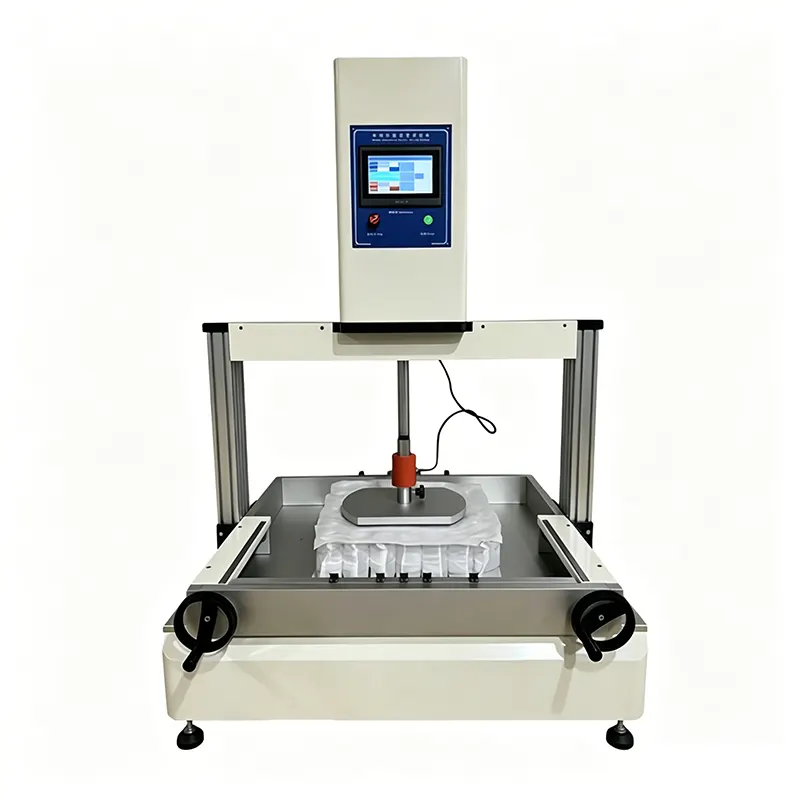
DR-J605 Chair Base Fatigue Tester
Product Summary
Model: DR-J605 | Test Type: Chair Base & Caster Fatigue Test | Standards: BIFMA X5.1-2022 / EN 1335 / ISO 7173
Force Range: 100–1,334 N (±1%) | Cycles: 1–999,999 Programmable | Controller: PLC + 7-inch Touch Screen
Warranty: 2 Years | Lead Time: 25–30 Business Days | Price Range: $5,000 – $9,000
DR-J605 Chair Base Fatigue Tester (BIFMA X5.1-2022)
A Jiangsu office chair manufacturer discovered the hard way that their chair bases were failing at 60,000 cycles — halfway through the BIFMA requirement. The problem? They were using a general-purpose universal testing machine adapted for base testing, which could not maintain consistent cyclic loading across all five legs of the star base. After switching to the Derui DR-J605 chair base fatigue tester, they isolated the failure to a weld joint inconsistency in their injection-molded base tooling — a defect invisible to static load testing.
| Name | DR-J605 Chair Base Fatigue Tester |
| Description | BIFMA X5.1 chair base fatigue tester for caster/base durability per Sections 16 & 17. Simulates rolling cycles. PLC control, data logging. |
| Price Range | $5,000 – $9,000 |
| Brand | Derui |
| SKU | DR-J605 |
| Availability | InStock |
Key Takeaways
- Dedicated base fatigue testing per BIFMA X5.1 Sections 16 (caster/base durability) and 17 (leg strength) — purpose-built, not adapted from a UTM.
- 1,334 N cyclic loading with programmable cycles up to 999,999 and adjustable frequency.
- Multi-leg loading fixture simultaneously engages all five legs of a star base to simulate real-world load distribution.
- PLC touch-screen control with CSV data export, cycle counting, and automatic pass/fail determination.
- BIFMA X5.1-2022, EN 1335, and ISO 7173 compatible — switchable protocols via software.
Why Dedicated Base Fatigue Testing Matters
The chair base is the most structurally critical component of an office chair — it bears the entire load of the occupant and must survive 120,000+ cycles of dynamic loading under BIFMA X5.1. Yet many manufacturers rely on general-purpose UTMs or multi-function chair testers that apply load to one leg at a time, missing the interaction effects between legs.
The UTM Problem
A universal testing machine applies force along a single axis — it can push down on one leg of a chair base, but it cannot simulate the dynamic multi-point loading that occurs when a seated user swivels, leans, and shifts weight across the entire base. The DR-J605’s multi-leg fixture engages all five legs simultaneously.
Key Features
Multi-Leg Simultaneous Loading
A custom-designed loading fixture distributes force evenly across all five legs of the star base, simulating real-world weight distribution. Individual leg load cells monitor force per leg — if one leg begins to yield, the system logs the event and can trigger auto-stop.
BIFMA-Compliant Test Programs
Pre-loaded with BIFMA X5.1 Section 16 (caster/base durability, 1,334 N cyclic load) and Section 17 (leg strength, static load). EN 1335 and ISO 7173 protocols included.
PLC Control with Data Logging
The 7-inch touch-screen PLC provides real-time monitoring, cycle counting, and force verification. Results export via USB in CSV format with full traceability.
Real Case: “We were burning through caster replacements every six months and could not figure out why — the bases passed static load tests consistently,” reported a QC engineer at Acme Furniture, a mid-volume office chair manufacturer. “When we ran the base through the DR-J605’s Section 16 test, we discovered that the caster retention clips were fatiguing at 80,000 cycles — a failure mode that static testing could not detect. After switching to a redesigned clip, we extended base service life by 300% and reduced warranty claims by $68,000 in the first year.”
Technical Specifications
| Parameter | Specification |
|---|---|
| Model | DR-J605 |
| Test Type | Caster/Base Durability (Section 16), Leg Strength (Section 17) |
| Force Range | 100 – 1,334 N (±1%) |
| Cycle Count | 1 – 999,999 programmable |
| Cycle Frequency | 10 – 30 cycles/min |
| Loading Fixture | Multi-leg (5-leg star base compatible) |
| Per-Leg Monitoring | Individual load cells per leg position |
| Force Accuracy | ±1% of indicated value |
| Controller | PLC + 7-inch color touch screen |
| Data Export | USB (CSV format) |
| Machine Dimensions | 1,000 × 800 × 1,600 mm |
| Net Weight | 280 kg |
| Power Supply | AC 220V, 50/60 Hz |
| Safety Features | Emergency stop, overload protection, auto-stop on failure |
| Warranty | 2 years |
Applicable Testing Standards
| Standard | Scope | Key Tests |
|---|---|---|
| BIFMA X5.1-2022 | General-purpose office chairs | Sec.16 caster/base durability (1,334N cyclic), Sec.17 leg strength (static) |
| EN 1335-2:2018 | Office work chairs | Base/leg vertical loading, stability test |
| ISO 7173:2023 | Chairs & stools — strength & durability | Leg strength vertical test, base static load |
Frequently Asked Questions
What BIFMA X5.1 sections does the DR-J605 cover?
Section 16 (Caster/Chair Base Durability) and Section 17 (Leg Strength — Front and Side Application).
Can a UTM do the same job as the DR-J605?
A UTM can apply static loads but cannot simulate the dynamic multi-point cyclic loading across all five legs. The DR-J605’s dedicated fixture and per-leg monitoring are purpose-built for BIFMA base testing.
How many cycles does BIFMA Section 16 require?
BIFMA Section 16 requires 120,000 cycles of dynamic loading at 1,334 N for caster/chair base durability testing.
What is the difference between DR-J605 and DR-J601?
DR-J601 tests swivel rotation durability (Section 25). DR-J605 tests base and caster structural fatigue (Sections 16 & 17). They are complementary — a full BIFMA lab needs both.
Is installation and training included?
Yes. On-site installation, commissioning, and operator training are included with every DR-J605 purchase.
What is the lead time?
Standard lead time is 25–30 business days from order confirmation.