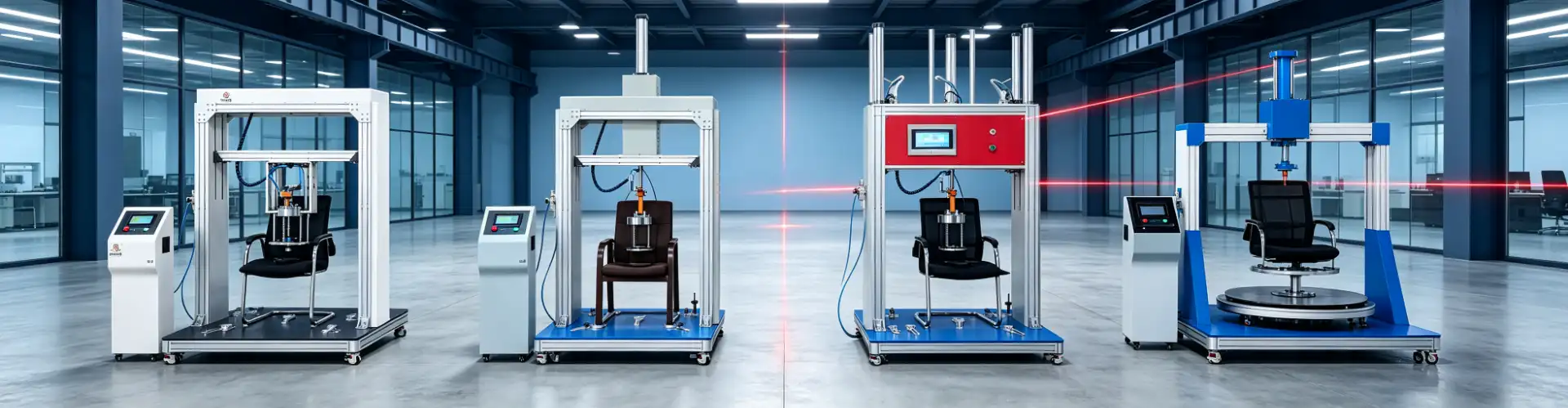
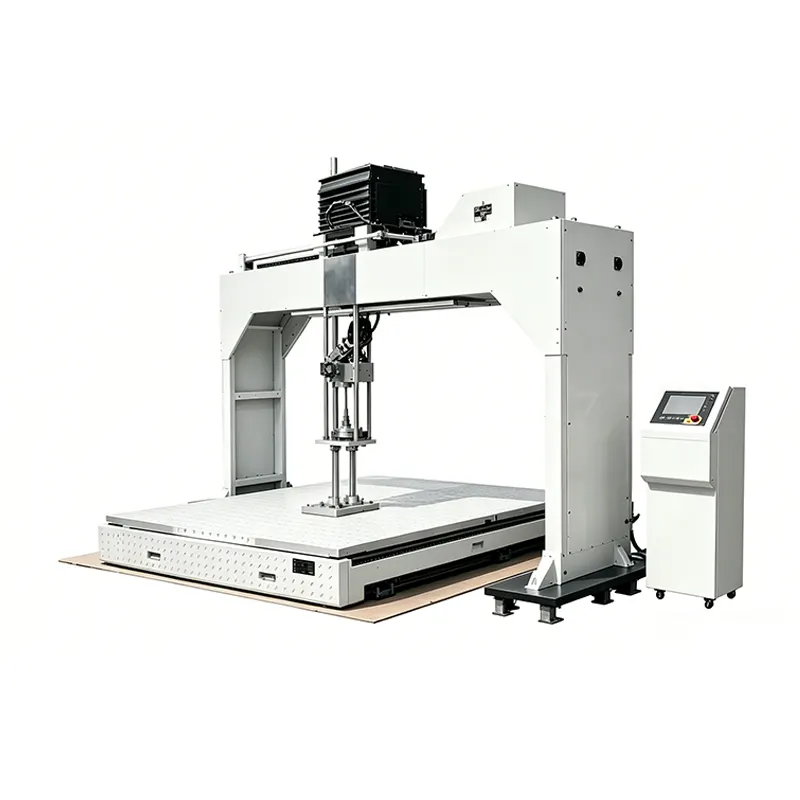
Choose furniture testing equipment by the product and the question your laboratory needs to answer. Derui manufactures testing machines for mattresses, sofas, chairs, tables and cushioning foam, with dedicated equipment directions for durability, strength, stability and material evaluation.
For a single machine purchase, compare the relevant category below. For a laboratory equipment set, first identify the products, test methods and measurements required—then review the machines, fixtures and utilities together.
Mattress Testing Equipment
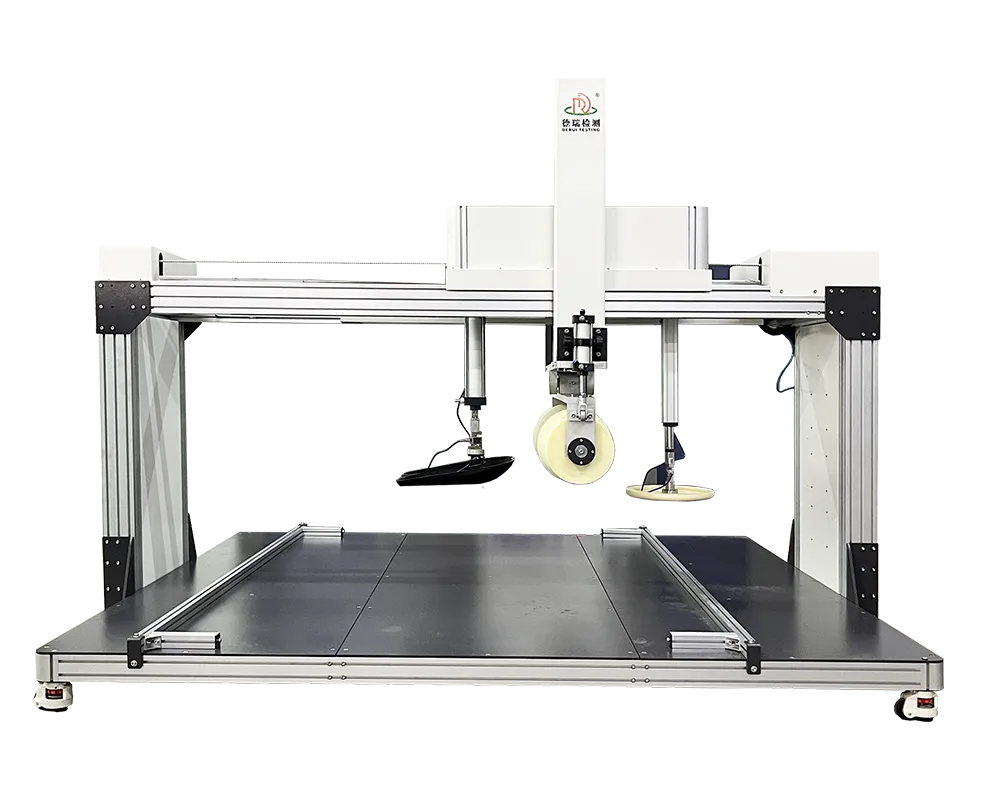
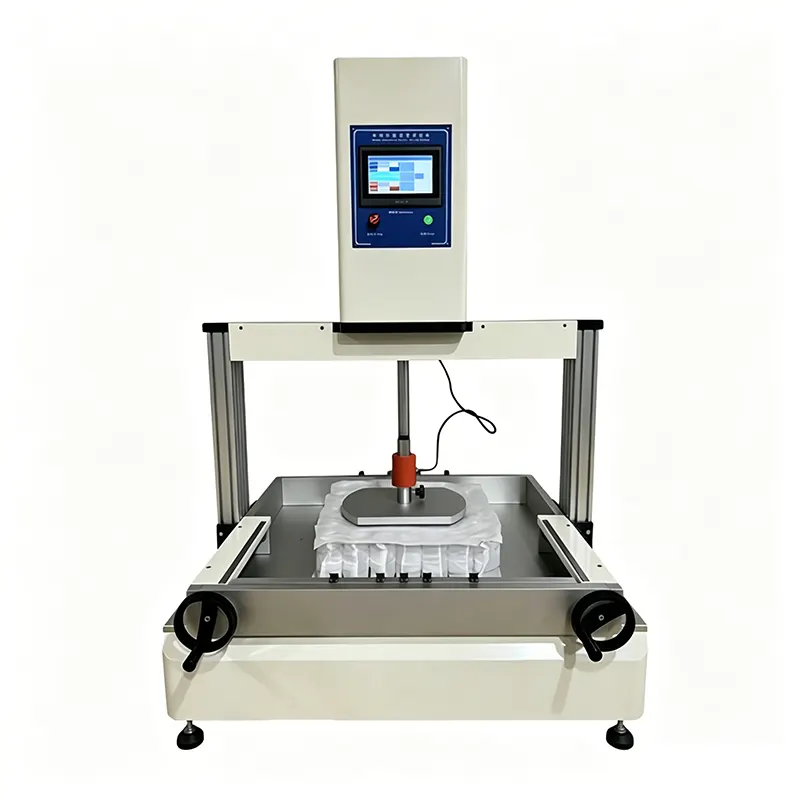
Compare rolling and localized cyclic-loading equipment for finished mattresses. Choose the loading arrangement and measurement functions required by your procedure; these are different test tasks, not interchangeable machine names.
Selection details: Start with the mattress construction, specimen dimensions, support arrangement and required durability or measurement method.
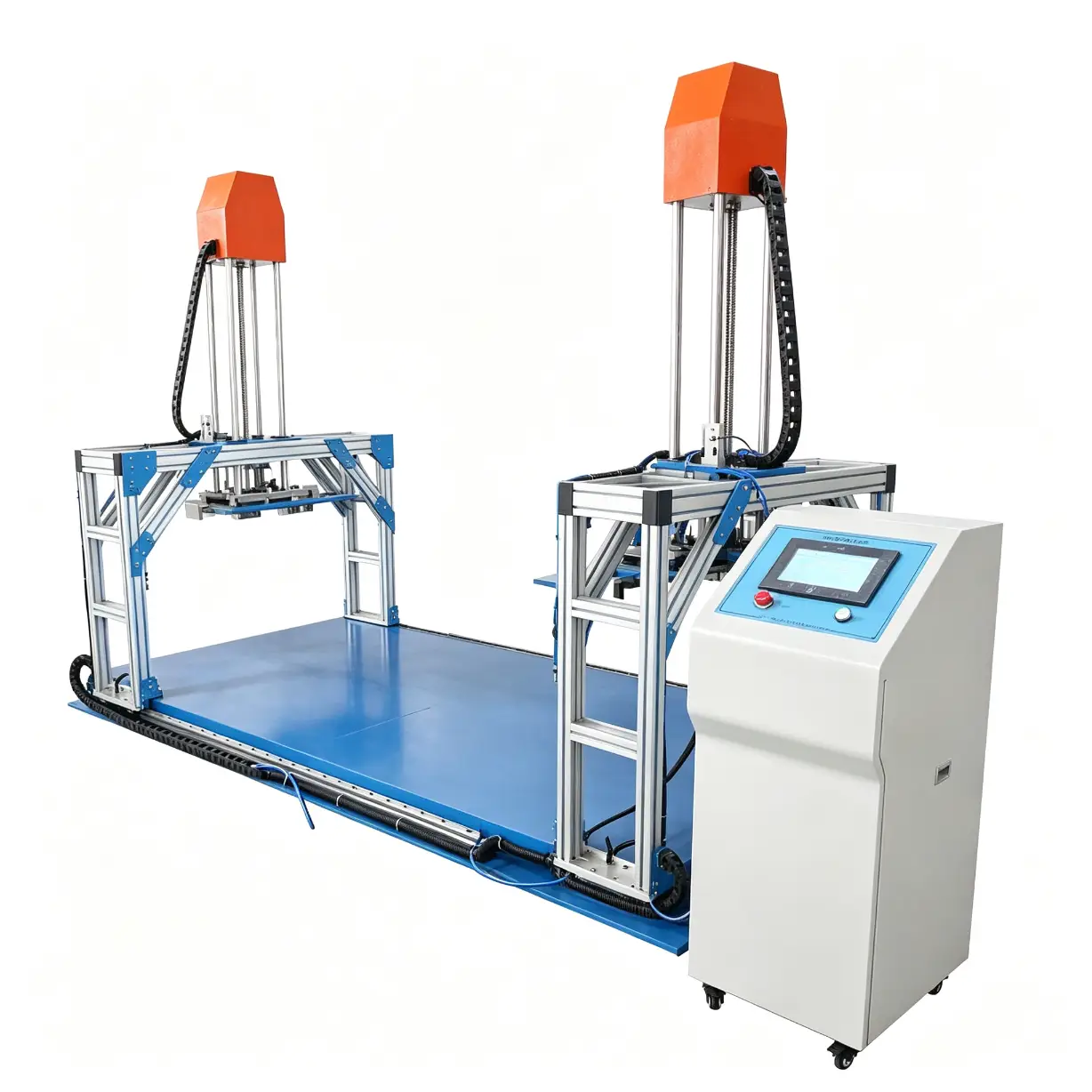
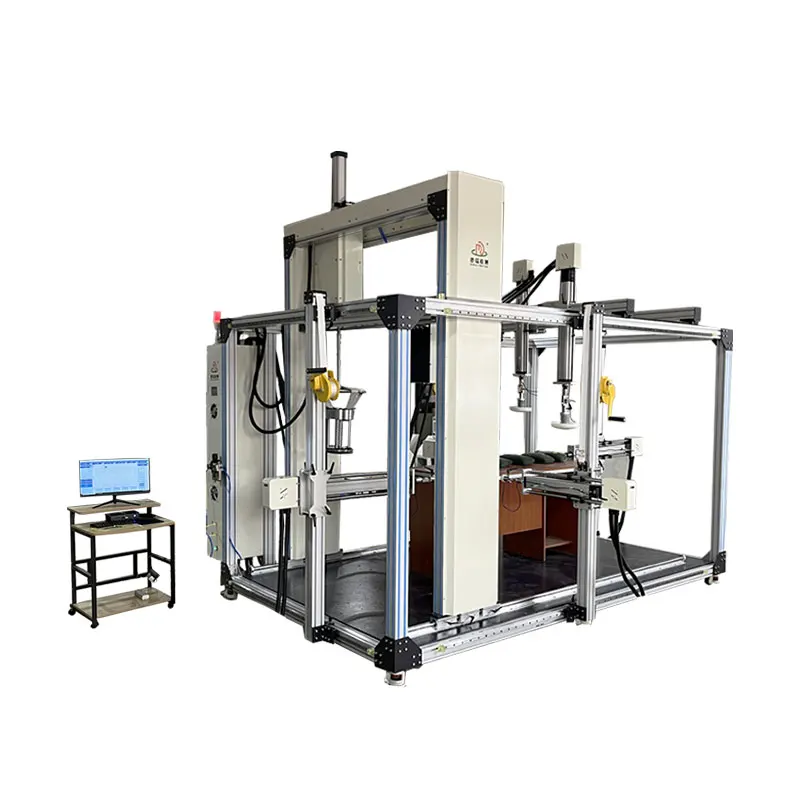
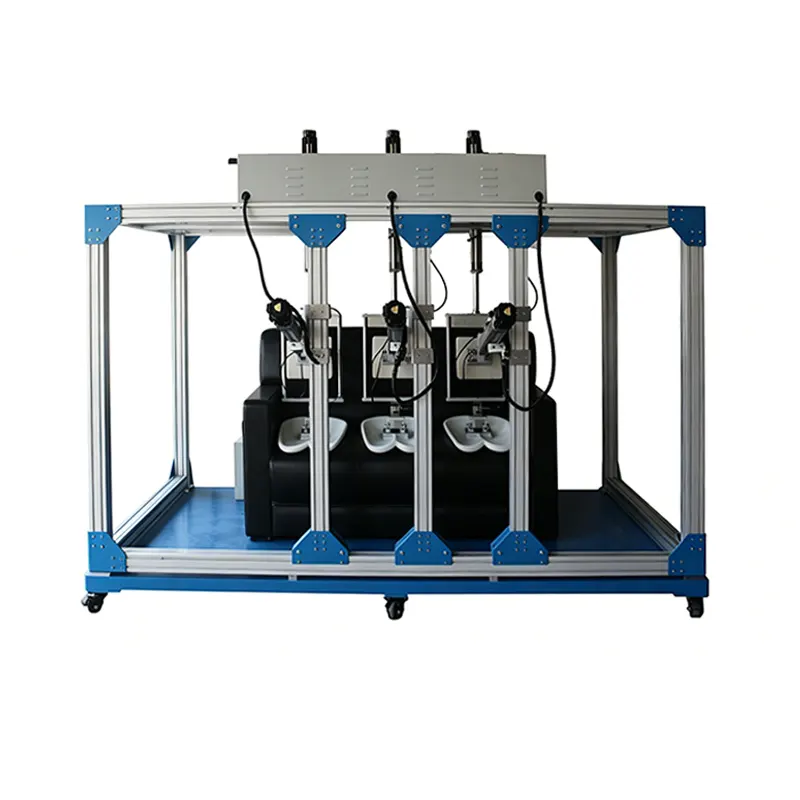
Select repeated-loading equipment for sofa durability evaluation or a drop-test system for handling-impact evaluation. Repeated use and handling drops expose different failure mechanisms and need different setups.
Selection details: Specify the sofa dimensions, test locations and whether you need repeated loading, a handling drop, or separate evaluations.
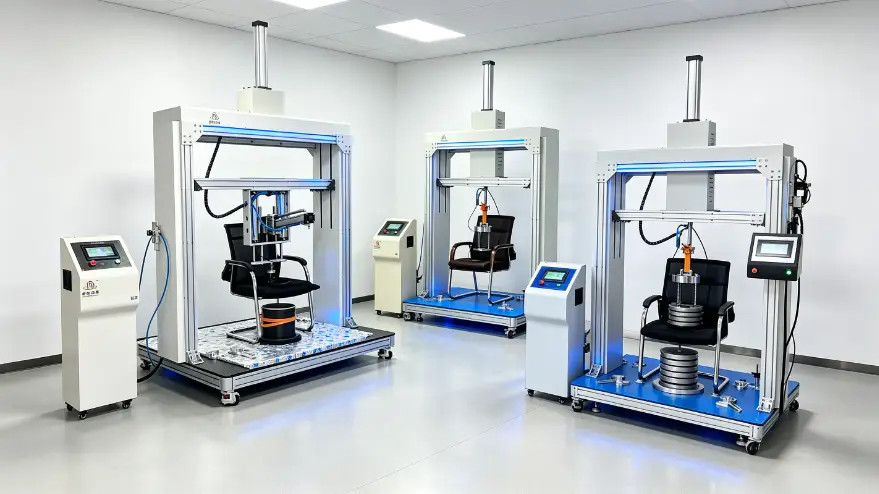
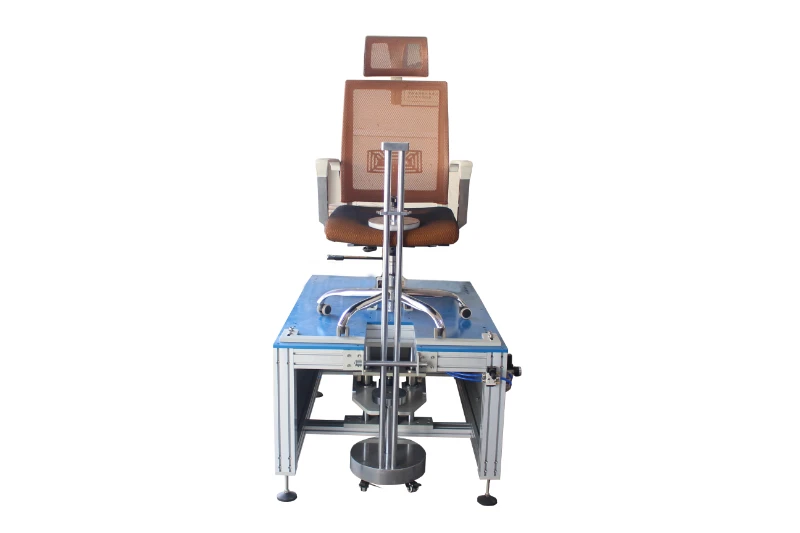
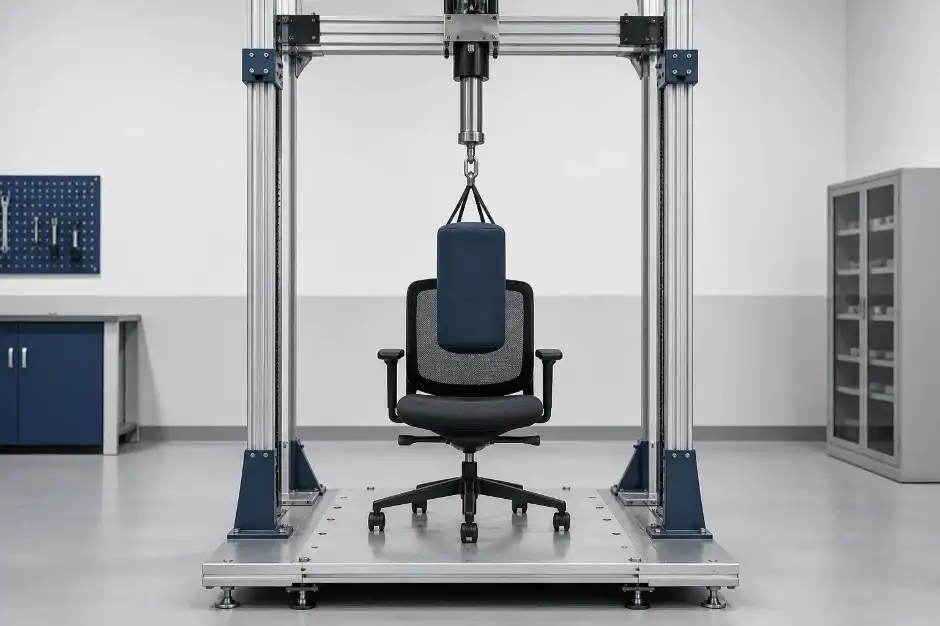
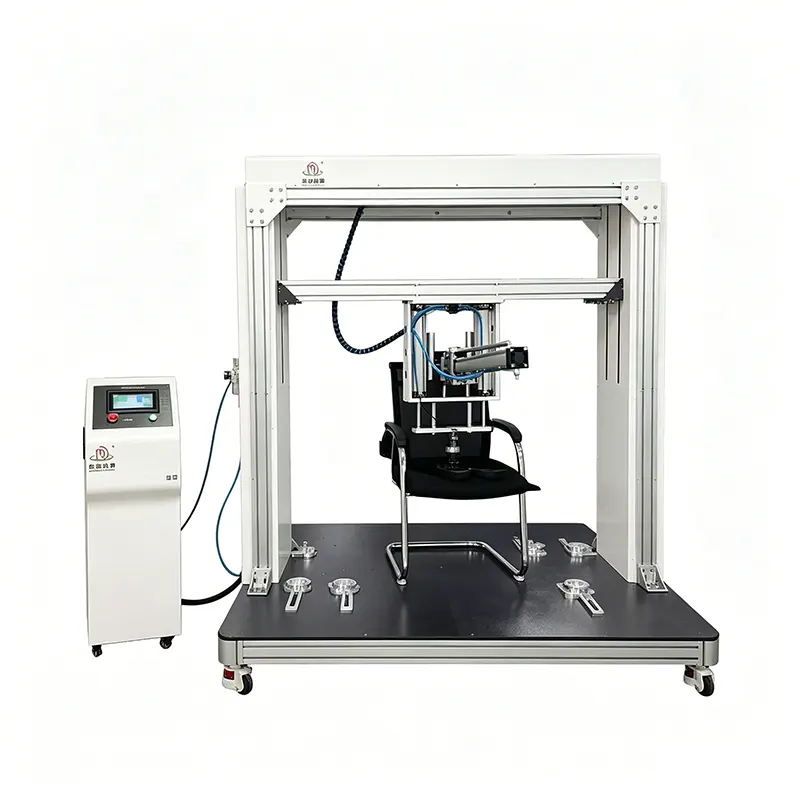
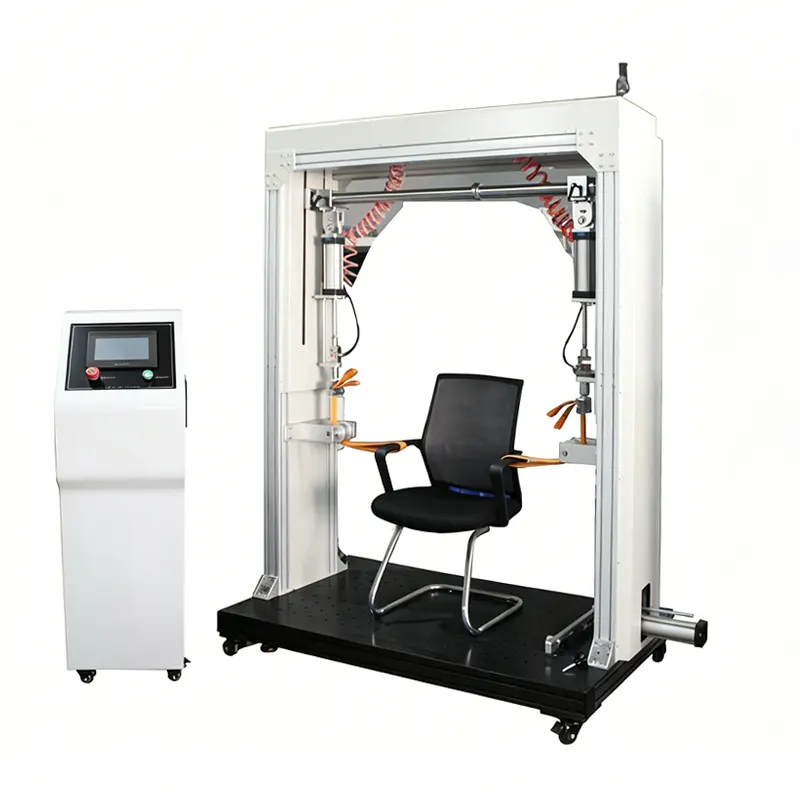
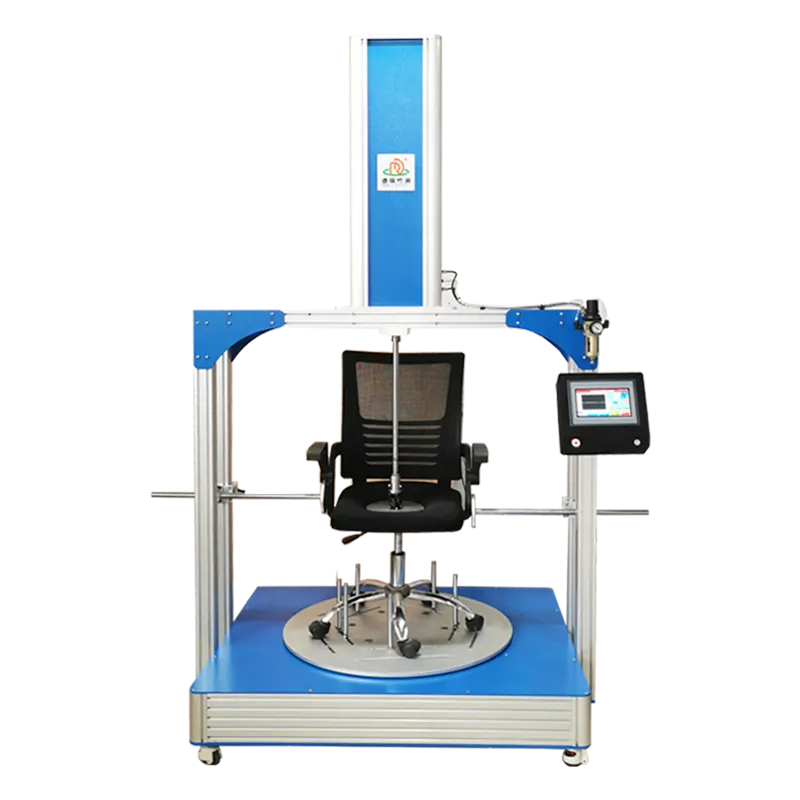
Explore equipment for seat and back durability, swivel cycling, drop impact, stability and component loading. Select the relevant machines according to the chair design and the requested test items.
Selection details: Identify the chair type, adjustment features, seat and back geometry, and the loading or stability tasks required.
Pictured: DR-J609 Chair Seat & Back Durability Tester.
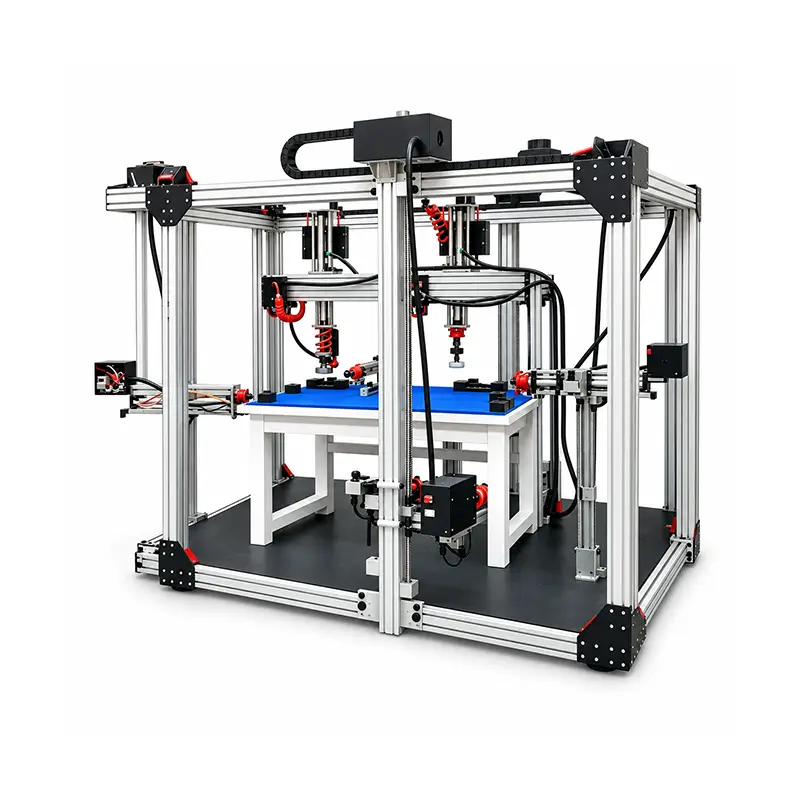
Distinguish structural load testing from stability evaluation. Compare the DR-J701 static-load direction with the DR-J702 stability direction rather than assuming one result answers both questions.
Selection details: Provide tabletop dimensions, height, base geometry, specimen mass and the required loading or overturning evaluation.
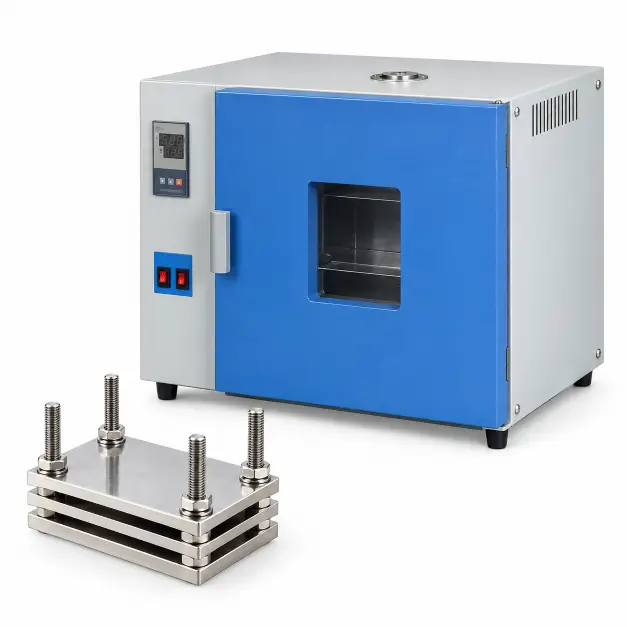
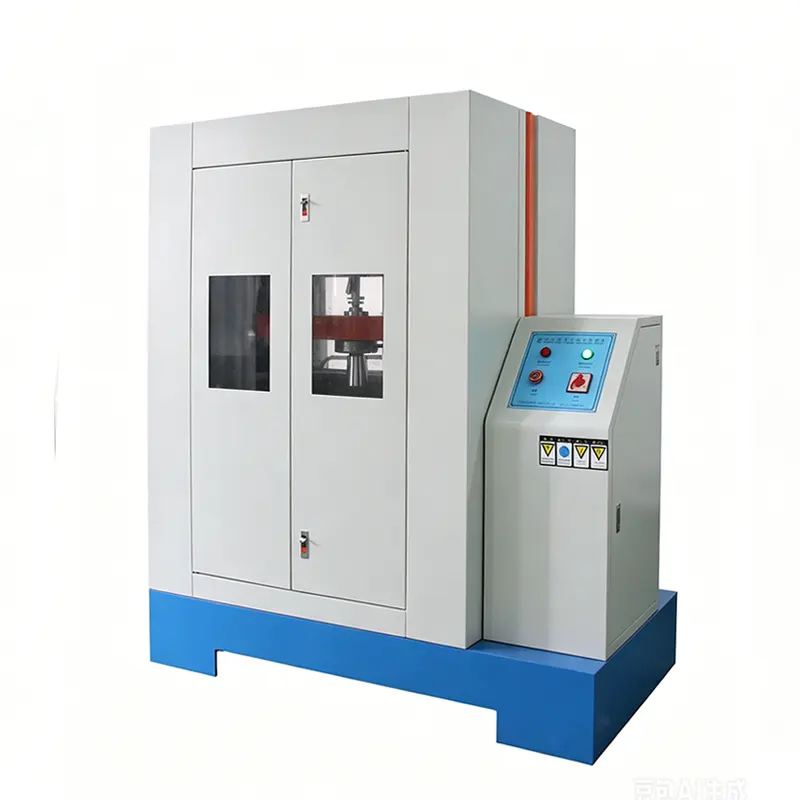
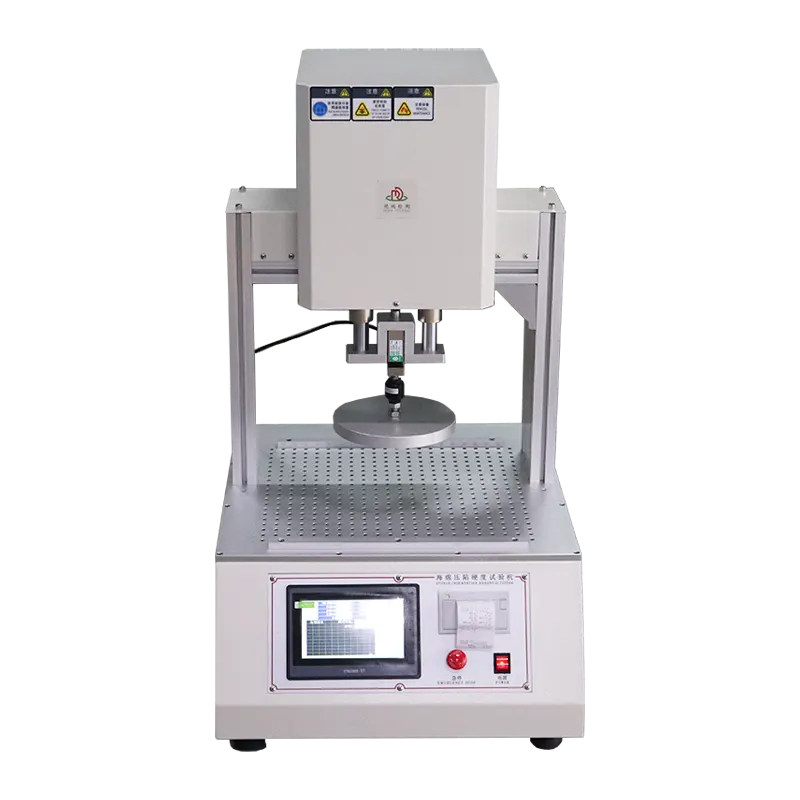
Choose dedicated systems for indentation hardness, compression set or dynamic fatigue. Initial firmness, recovery after sustained compression and change after repeated loading are separate material evaluations.
Selection details: Provide the foam type, specimen dimensions and required measurement. Select the test method before choosing fixtures and equipment.
A furniture type can require several different evaluations. Start with the test task rather than selecting a machine solely because it lists a familiar standard number.
Strength and Durability
Define whether the task uses a static load, repeated load, rolling action or impact. Agree the loading positions, supports and measurements; a cycle count alone does not establish service life.
Stability
Determine whether the product resists overturning in the specified configuration. Confirm the base geometry, adjustments, load locations and restraints. Passing a strength test does not automatically demonstrate stability.
Material Performance
Evaluate foam or other specified components separately from finished furniture. Material results can support product development and batch control, but do not replace finished-product assessment.
Confirm the exact method and edition with the responsible laboratory or customer. References to BIFMA, EN, ASTM or ISO identify relevant method families; they are not a claim that every listed machine performs every test or provides product certification.
Prepare an Equipment Request That Can Be Reviewed
You do not need to know the final machine model before contacting us. Share your test objective and the information you already have. A sample photo or drawing can help clarify the specimen and loading arrangement.
Product type, construction, dimensions and relevant adjustments.
Required tests, customer specification and standard edition, if known.
Loading locations, measurement outputs and specimen handling needs.
Expected test volume and whether the request is for one machine or a laboratory equipment set.
Installation country, available floor space and power or compressed-air constraints.
For a new laboratory, confirm the equipment scope before choosing optional accessories or duplicating measurement functions. Start with the required test methods and add capacity or automation according to your actual throughput.

 Derui chamber