Derui chamber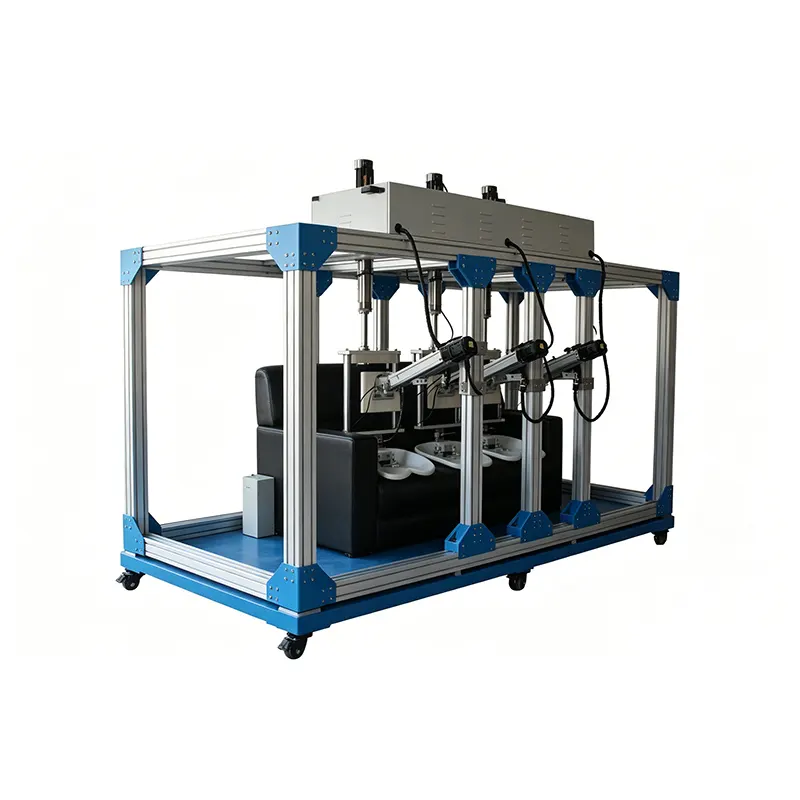

 Message
DR-J501 · SOFA TESTING EQUIPMENT
Configure Repeated Loading for Your Sofa Test Plan
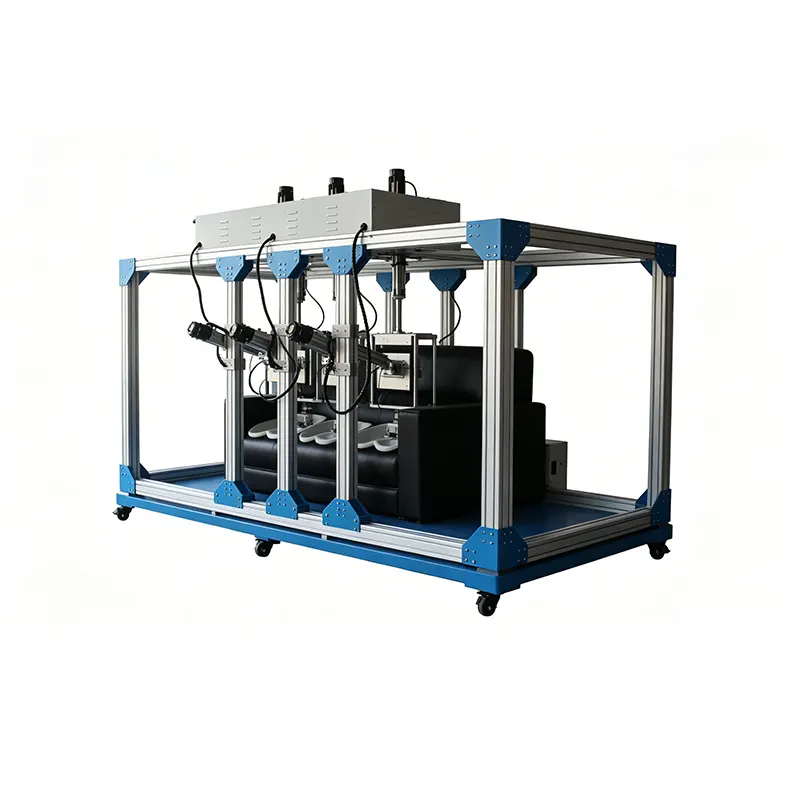
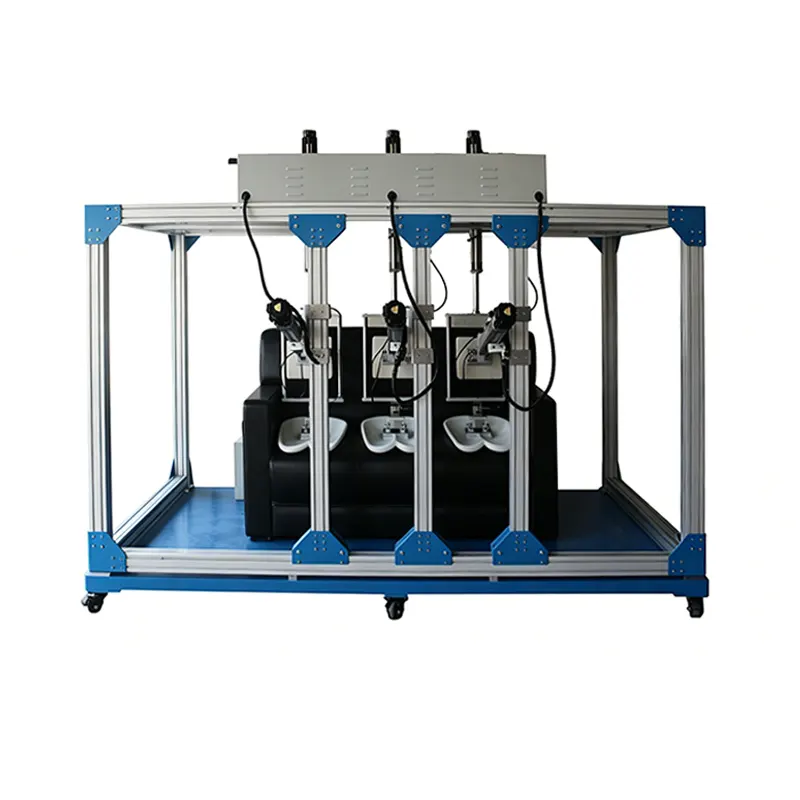
Evaluate the assembled sofa under the repeated seat and back loading required by your procedure. The DR-J501 Sofa Fatigue Tester is an equipment direction for sofa manufacturers, product-development teams and laboratories reviewing structural durability before production approval or shipment.
Begin with the sofa geometry and selected test items. Seating positions, loading directions, restraints and the required sequence determine the configuration; the model name alone does not establish the number of supplied heads or simultaneous loading capability.
Select the Loading Tasks for Your Project
Seat Loading
Review repeated loading at the seating positions required by the procedure, including the pad arrangement and specimen support.
Back Loading
Identify the back geometry, load direction and how the sofa is supported without introducing unintended restraint.
Multi-Seat Layouts
Provide the seat count, overall dimensions and modular connections. Agree which positions are tested and whether loads are applied sequentially or together.
Choose the Seating Requirements and Test Methods
For domestic sofas, identify the applicable EN 12520 requirements and contract edition. EN 1728 describes structural strength and durability methods for seating but does not provide all end-use requirements. Public or lounge seating may instead call for ANSI/BIFMA X5.4-2020(R2025), depending on the product and purchasing specification.
Do not transfer office-chair requirements to a sofa simply because both products are seating. Select the relevant methods and acceptance criteria, then review whether the quoted loading arrangements cover them. A standard reference is not equipment certification or proof that every test is included.
The domestic and non-domestic seating standards comparison helps define the intended-use scope before ordering fixtures. Other national or customer procedures can be reviewed against their actual loading and specimen requirements.
Scope sources: BSI: EN 1728 method scope · BIFMA: X5.4 reaffirmation. These sources describe standard scope, not DR-J501 hardware specifications.
Define the Configuration Before Ordering
Use this checklist to compare quotations. Required settings and supplied equipment ratings are different information: request the approved measuring ranges, specimen envelope and fixture details. The items below are configuration questions, not a list of default accessories.
Sofa Dimensions and Construction
Provide overall width, depth, height, mass, seat count, feet and frame layout. Include modular or reclining features that affect the setup.
Loading Positions and Fixtures
Identify seat and back contact positions, pad shapes and sizes, loading directions and the intended support or restraint arrangement.
Programme and Measurements
Specify load levels, holding or cycling sequences, required records and observation points. Confirm the supplied head count, controller functions and any displacement instruments.
Identify the controller functions and instruments needed for the task. Agree any automatic sequences, alarm behaviour, data outputs and report formats in writing. Calibration documents, installation assistance and commercial terms should be stated in the quotation rather than inferred from an online description.
Plan the Test Around the Assembled Specimen
- Record the assembled configuration, adjustments and specimen condition before testing.
- Locate the loading points and set pads, supports and restraints according to the selected procedure.
- Apply the specified sequence, keeping records of settings, interruptions and observations.
- Inspect the relevant frame, connections and supports at the required stages.
- Assess results against the agreed criteria rather than a generic cycle-to-years conversion.
Force records or displacement alarms do not by themselves diagnose a cracked joint, detached spring or damaged cushion. Agree the observation and inspection process, and confirm which measuring instruments are supplied. Use the calibration and intermediate-check checklist to plan checks of the actual loading and measurement system.
Sofa Fatigue Testing Is Not Handling Drop or Foam Fatigue Testing
DR-J501 is the repeated structural-loading equipment direction. Controlled lift-and-release handling drops use a different arrangement, while foam material fatigue evaluates a specimen rather than the entire sofa. None of these results replaces the others. The furniture testing requirements guide helps separate the tasks in a complete test plan.
Questions Before You Purchase
Does the DR-J501 include three loading heads?
The head count and control arrangement must be confirmed in the offered configuration. Send the sofa layout and required procedure rather than assuming one fixed head count suits all tests.
Can it evaluate recliners or sectional sofas?
Provide the relevant adjustments, dimensions and connection details. Structural loading and operating-mechanism cycling are separate requirements; review access, restraints and additional fixtures.
Can one fatigue result prove the sofa meets every standard requirement?
No. Other evaluations may be required, and the approved test scope determines the evidence needed. A completed loading sequence is not complete product certification.
What information is needed for a quotation?
Start with a sofa photo or drawing, overall dimensions, intended use and the requested test items. Add load and measurement details when available.
Related Equipment and Test Planning
Handling Drops
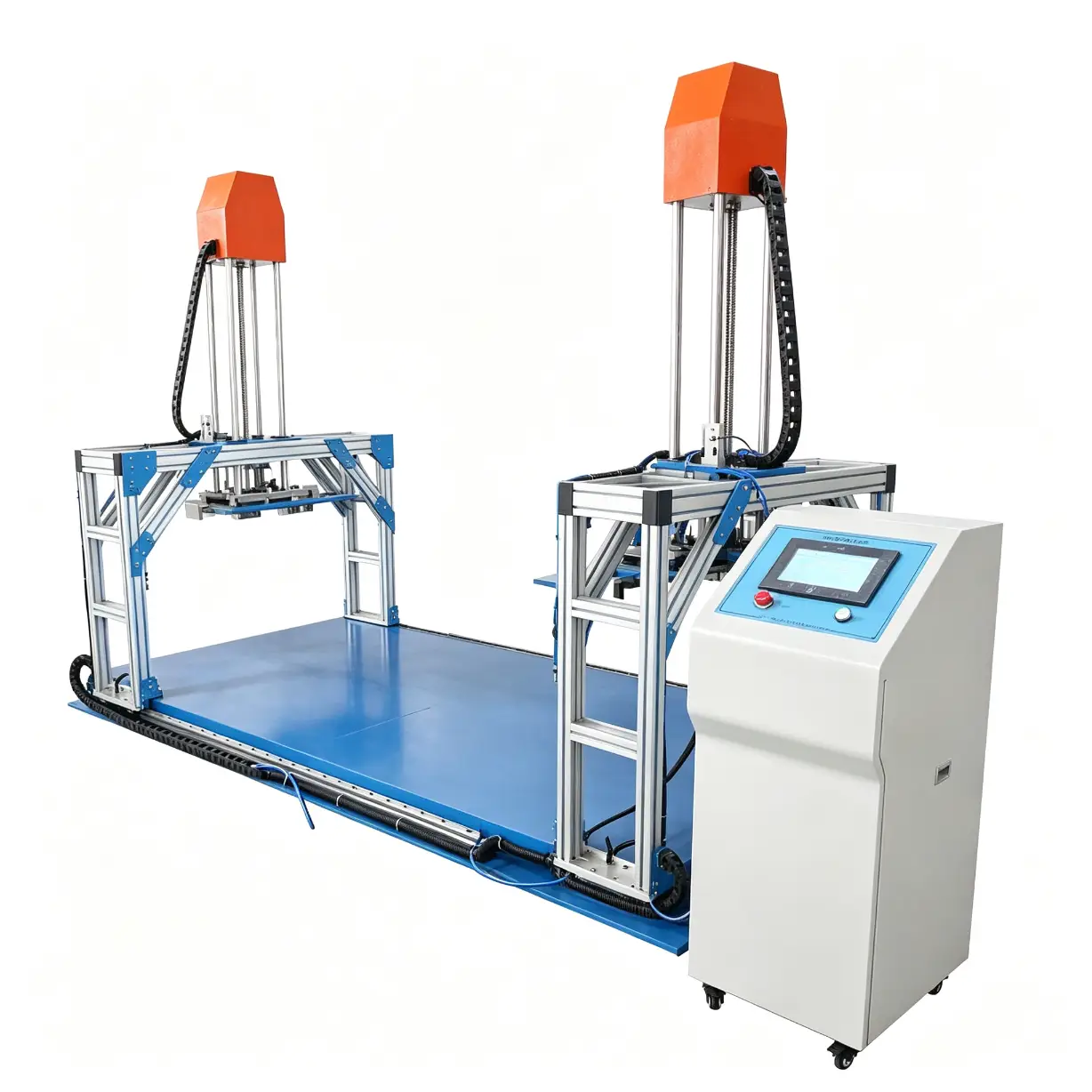
DR-J502 Sofa Drop Test Machine — Review the lift-and-release direction for a separate handling-impact procedure.
Foam Materials
Foam Testing Equipment — Compare material hardness, compression set and repeated-load equipment tasks.
Sofa Equipment
Sofa Testing Equipment — Compare cyclic structural loading and handling drop evaluation.