Derui chamber
1
Define the Test Requirements
Share your product type, sample dimensions, target market, applicable standard or test clause, loading points and required test items.
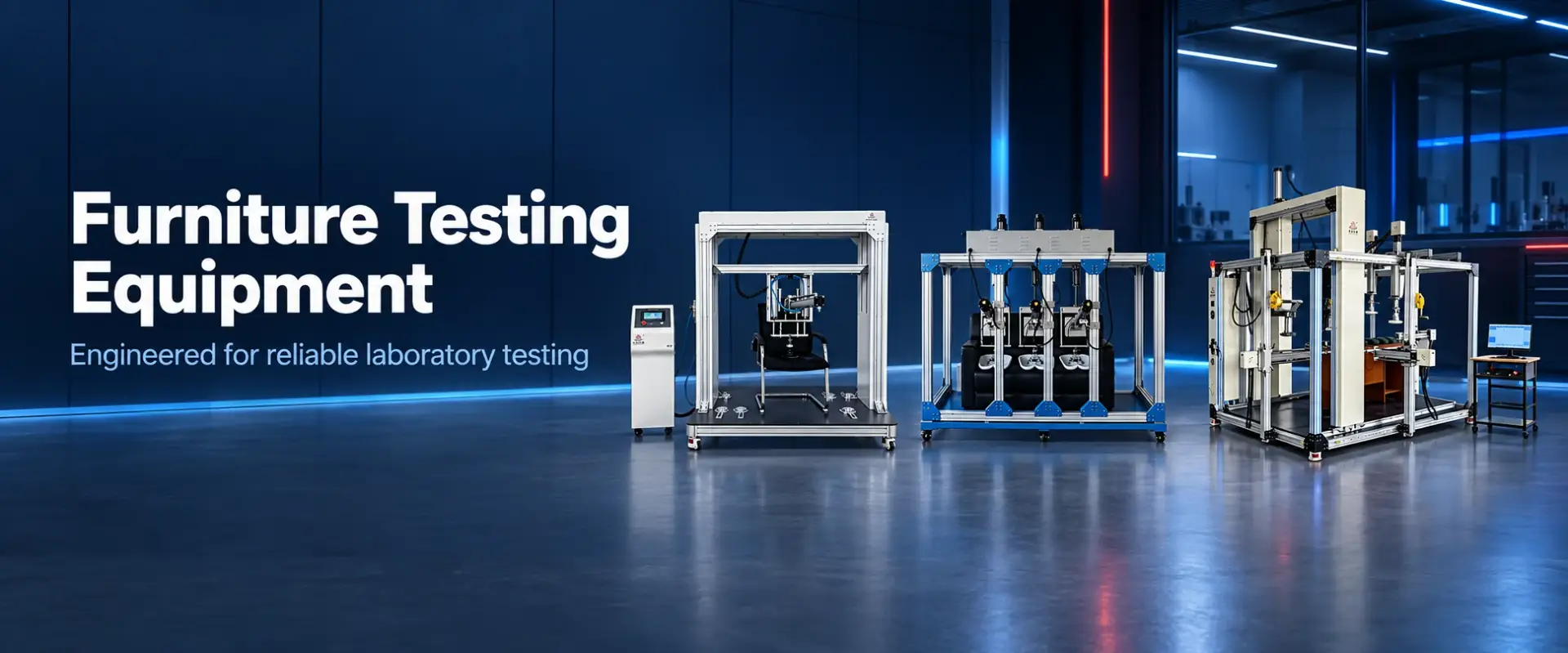


Furniture Testing Equipment Built Around Your Requirements
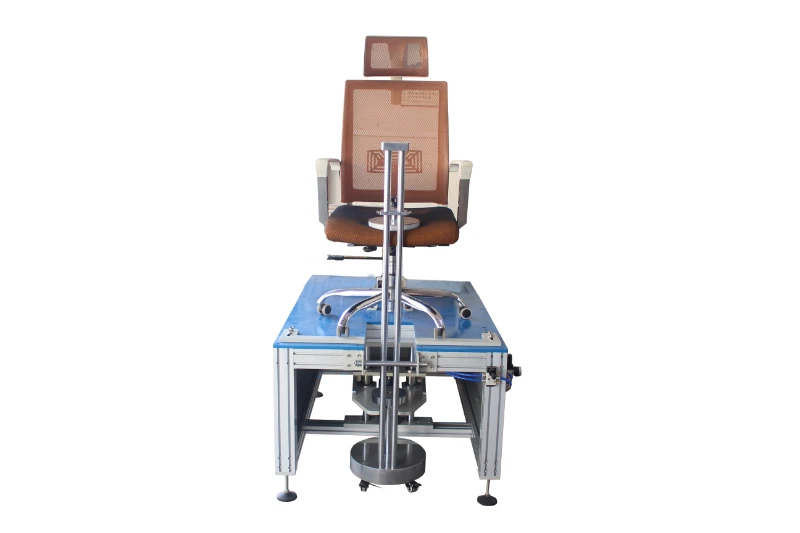
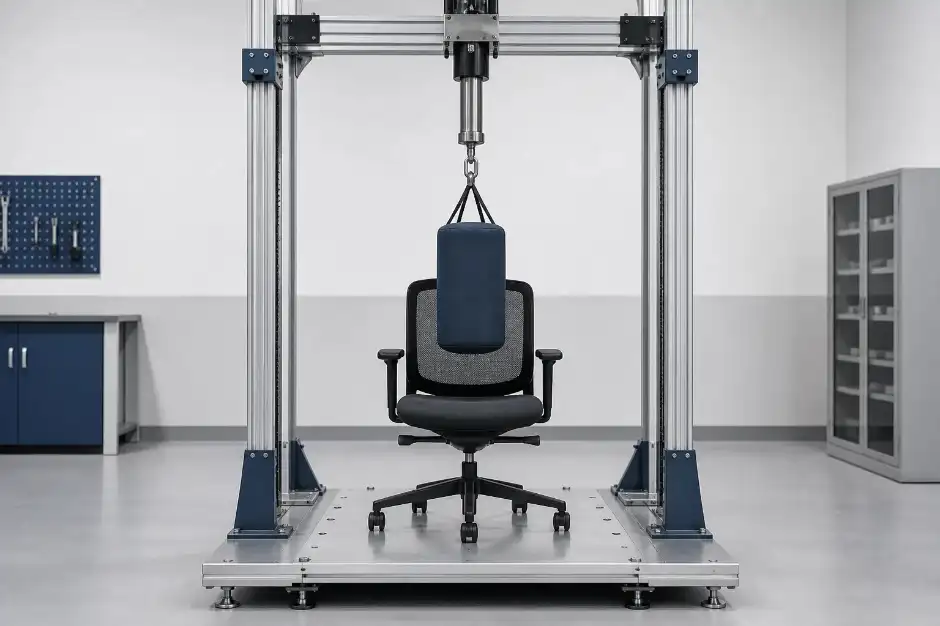
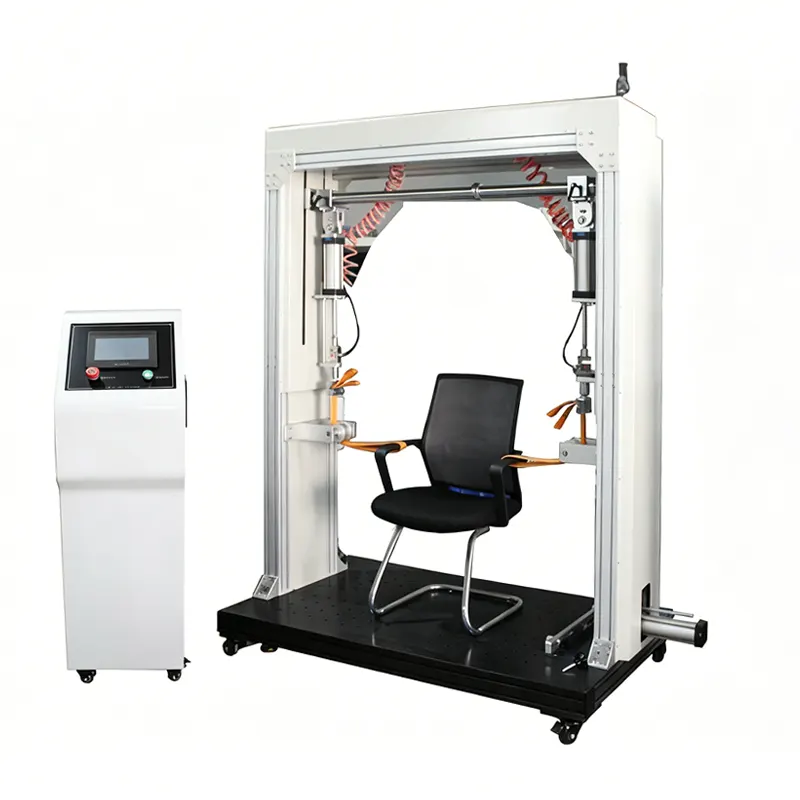
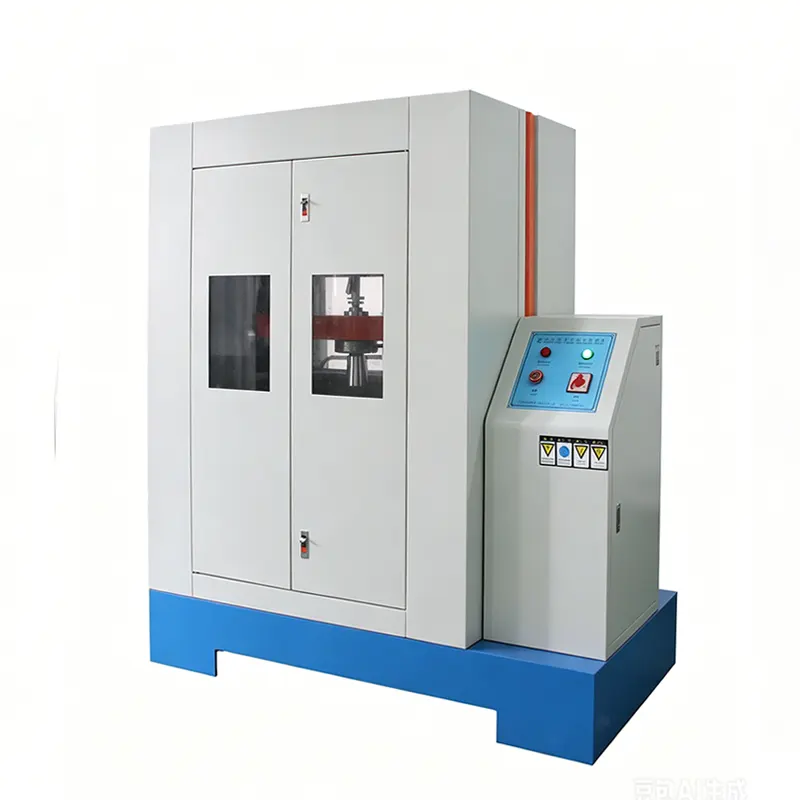
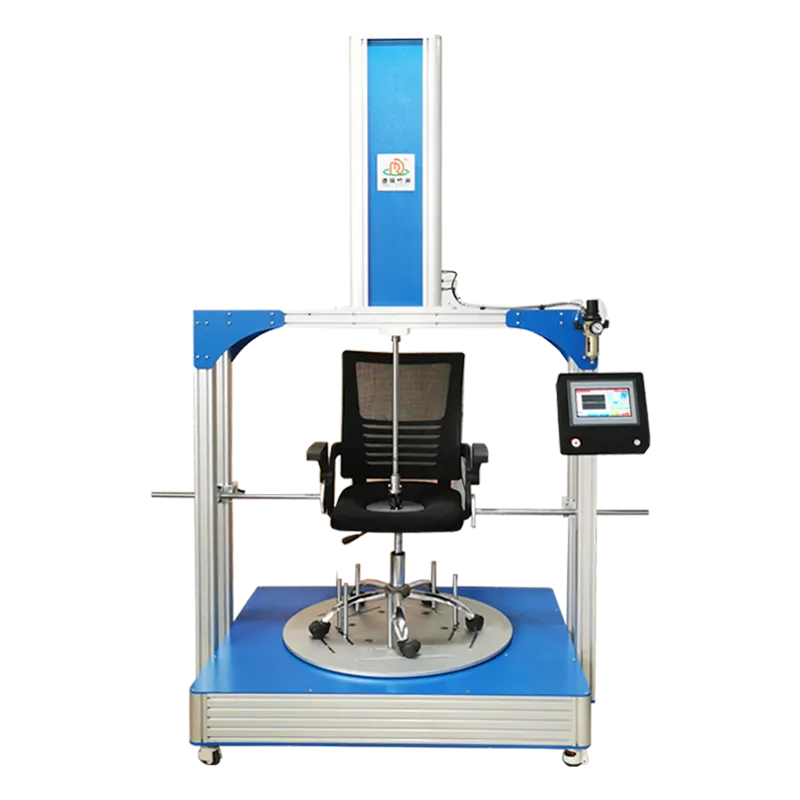
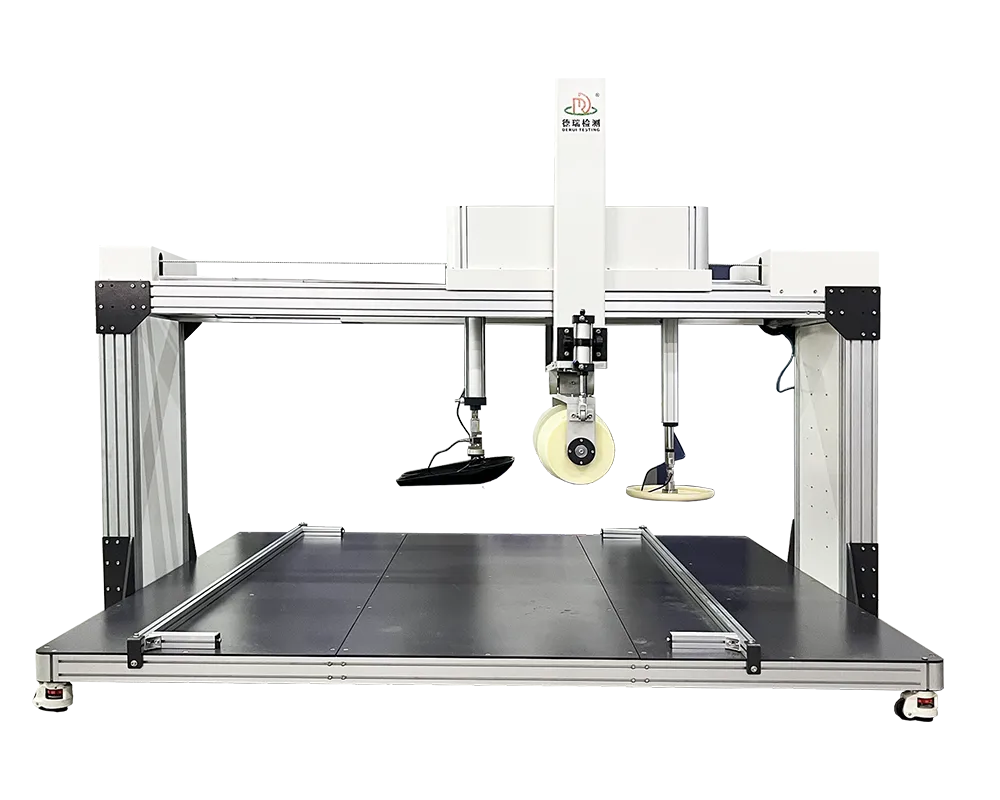
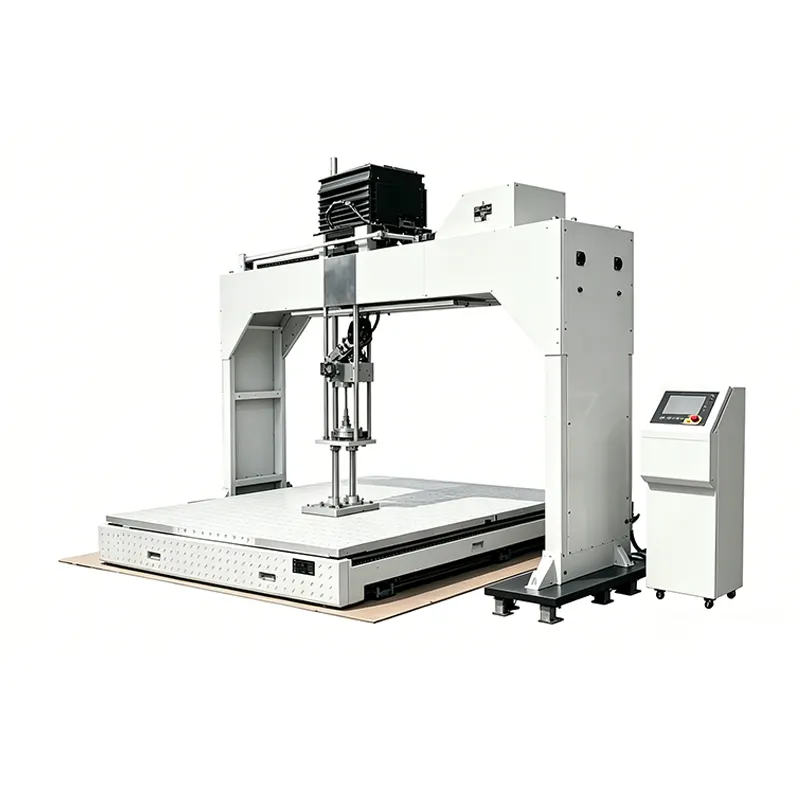
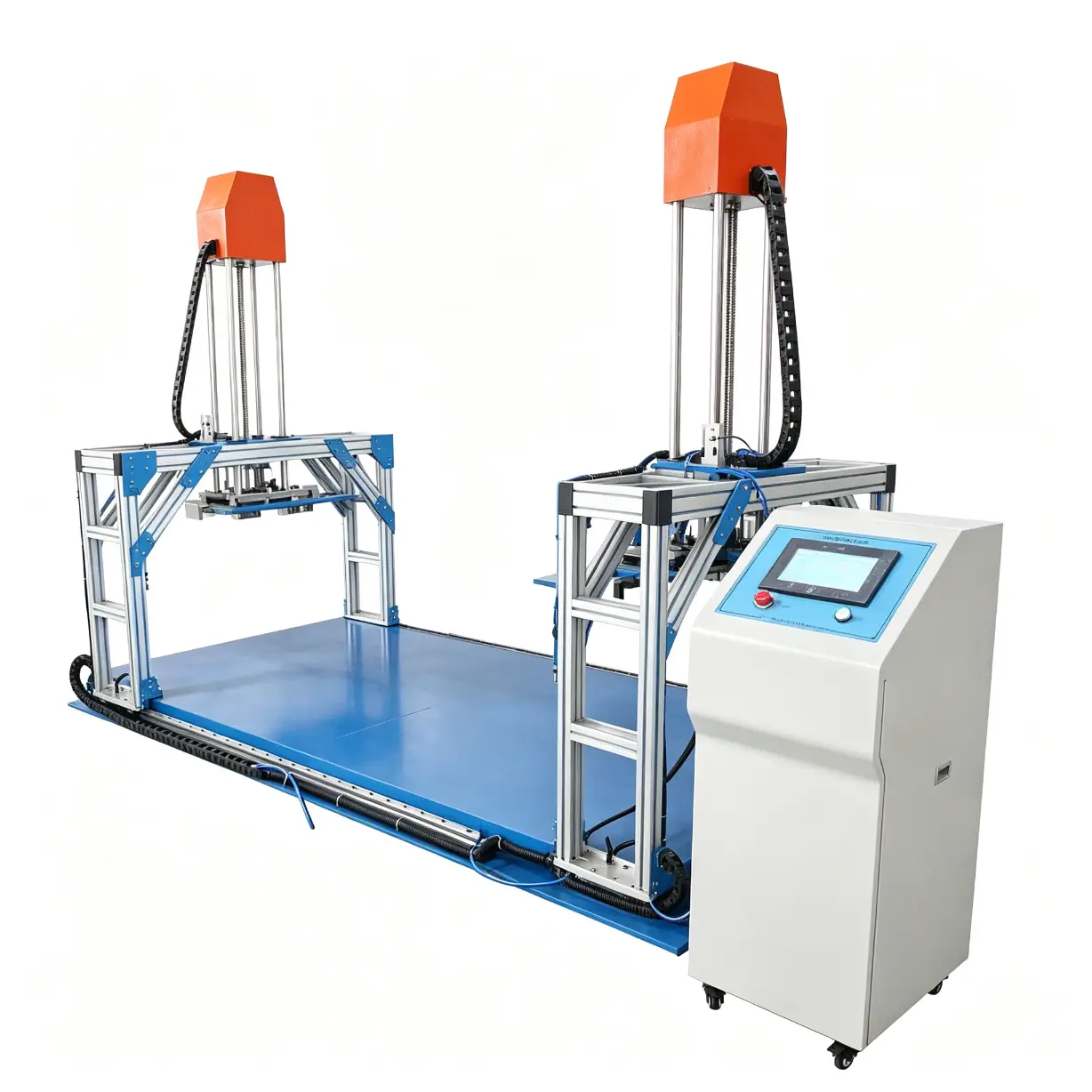
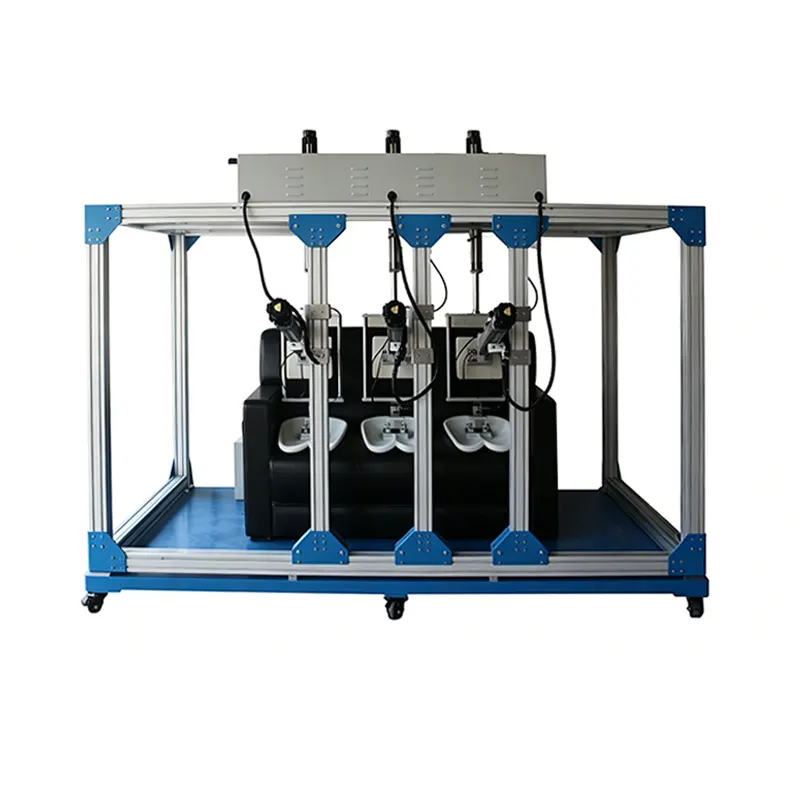
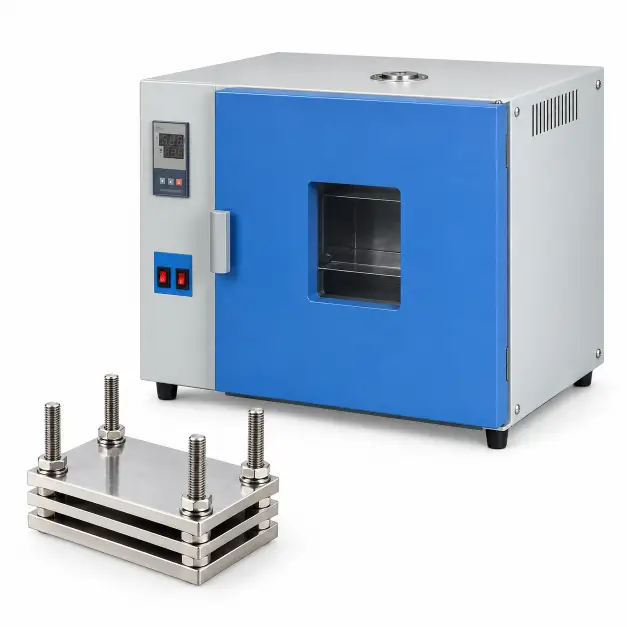
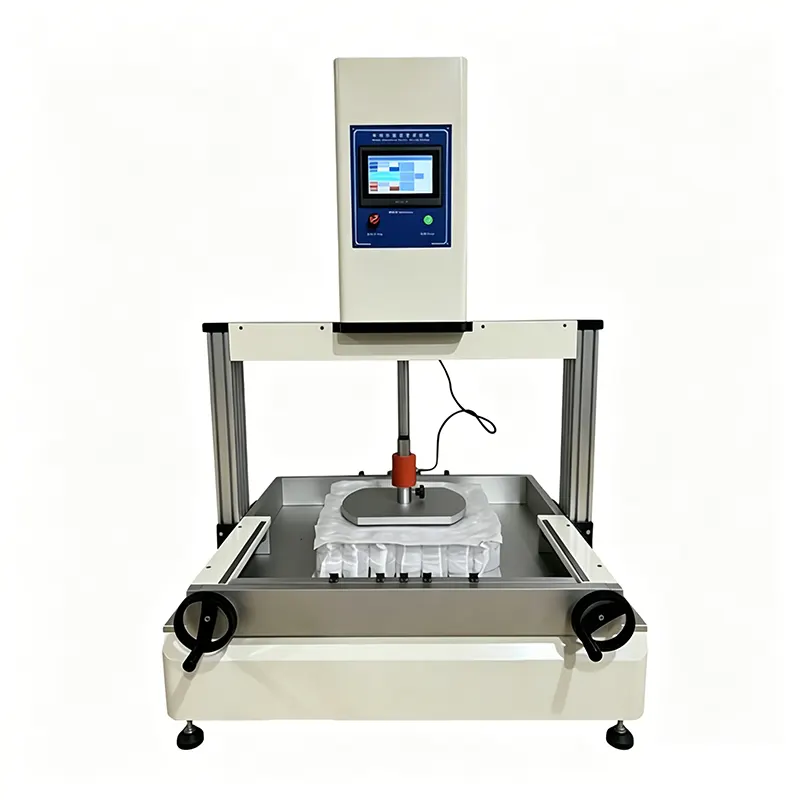
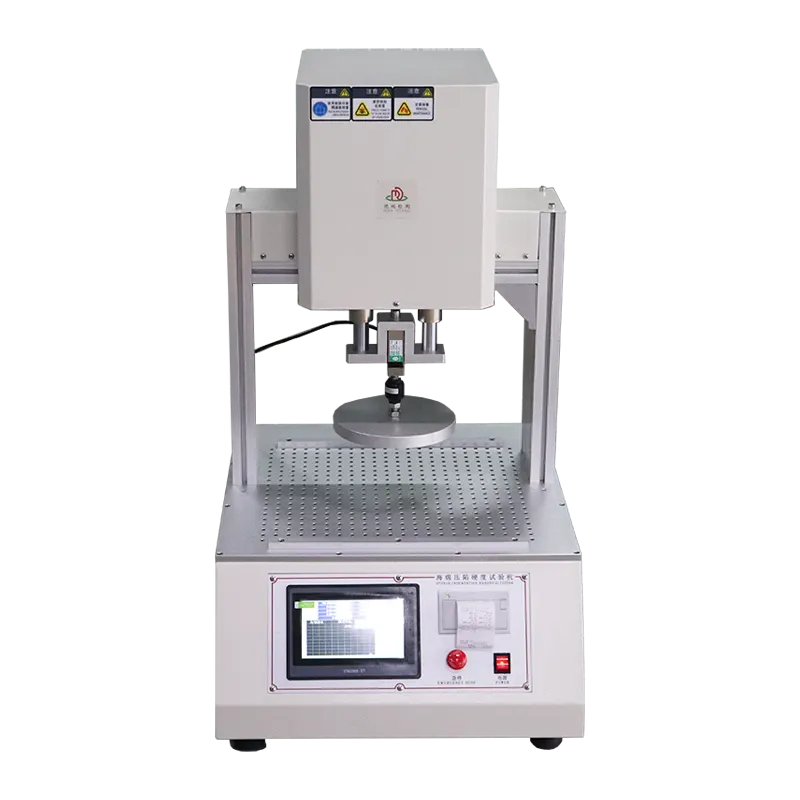
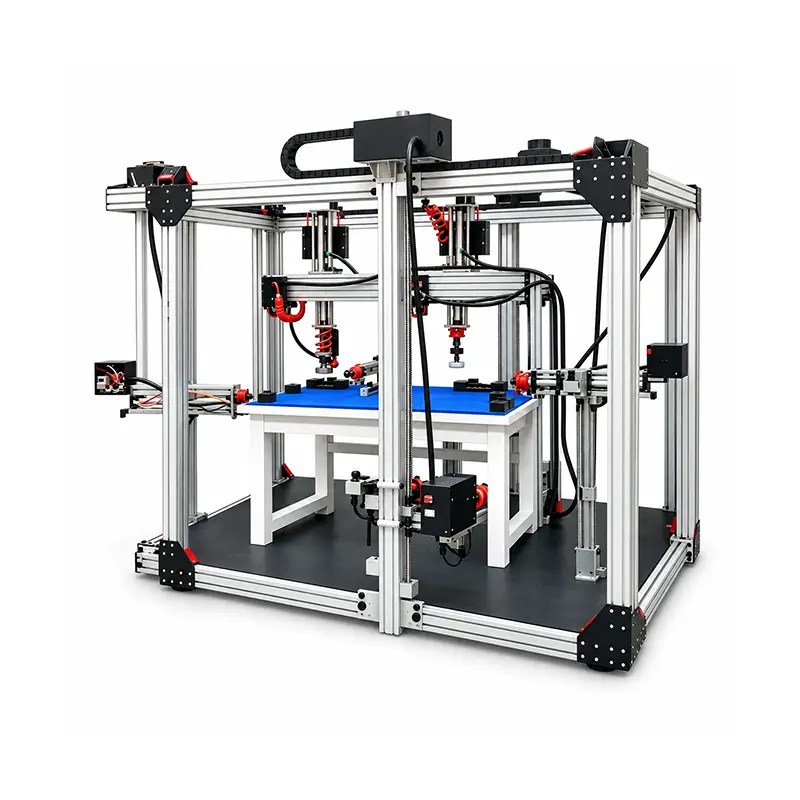
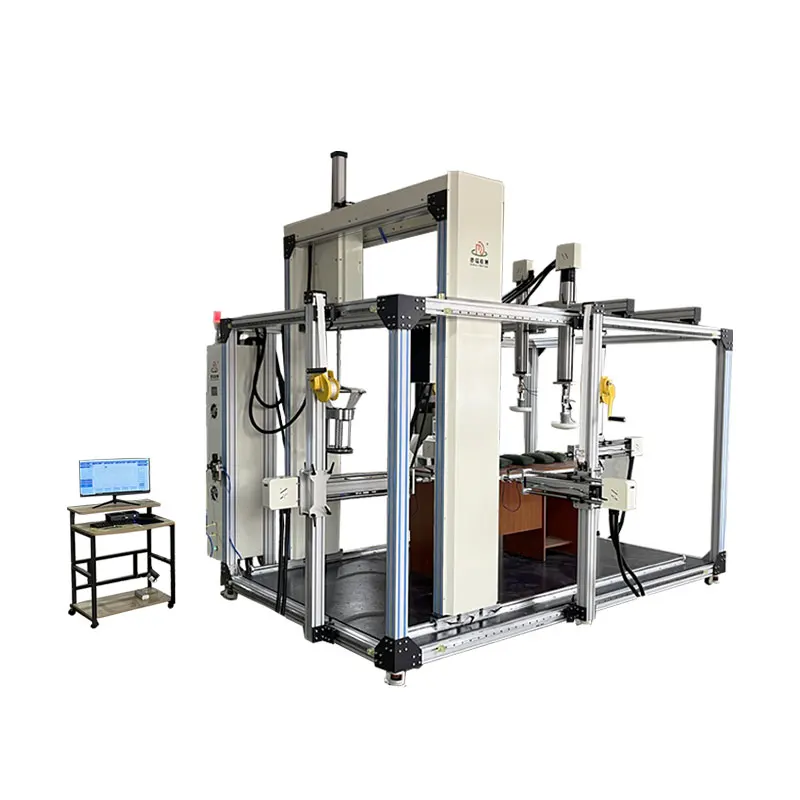
Guangdong Derui Testing Equipment Co., Ltd. designs and manufactures physical and mechanical testing equipment for chairs, sofas, mattresses, tables and flexible foam. We support furniture manufacturers, quality control departments, R&D teams and testing laboratories with equipment for product development, verification and routine quality testing.
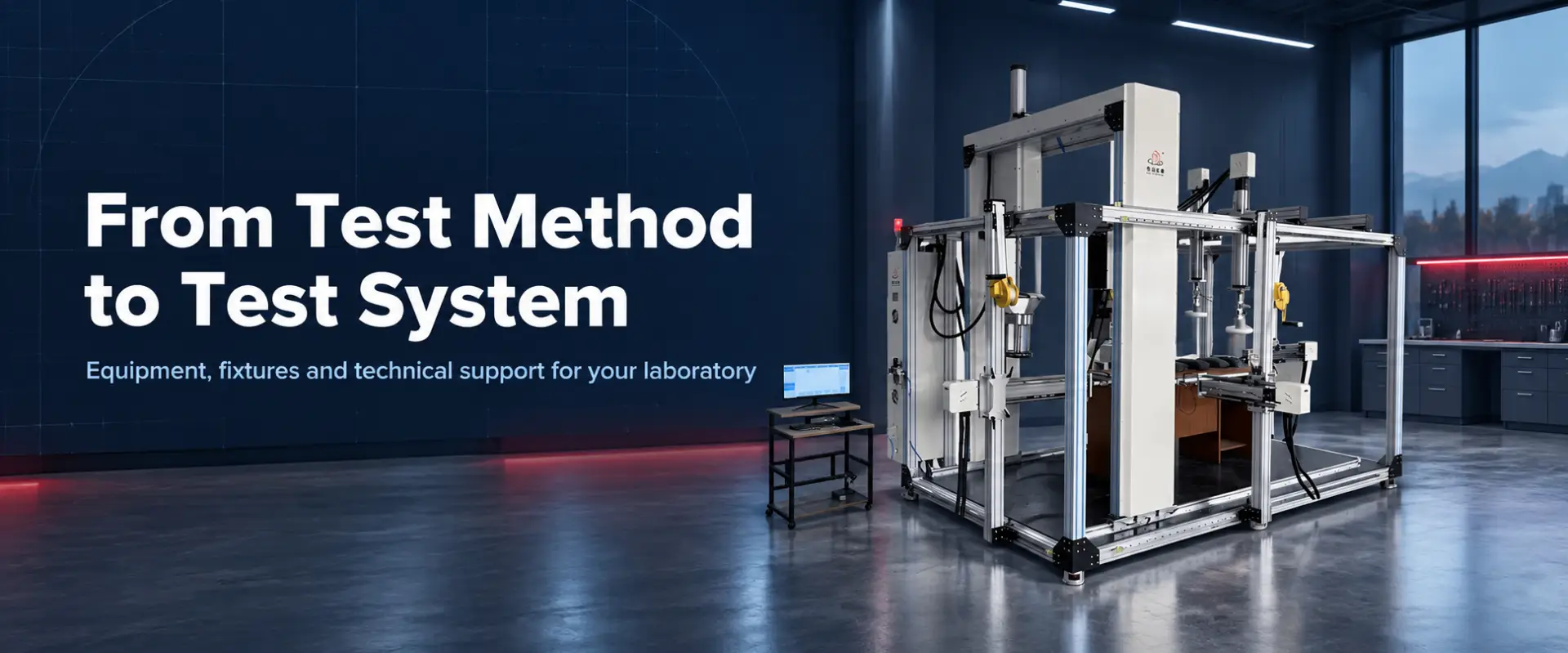
From Test Method to System Configuration
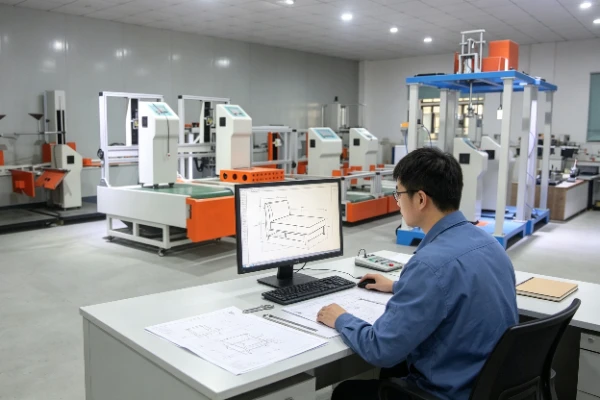
A suitable testing system starts with more than a standard name. Our engineers review your product type, sample dimensions, target test method, loading points and required throughput, then recommend the machine configuration, fixtures and control functions needed for the application. Systems can be configured for applicable BIFMA, EN, ASTM and ISO test methods.
A reliable test system starts with your product, test method and laboratory requirements—not a generic machine list. Our engineers review the application first, then configure the equipment, fixtures and control functions needed for the test.
Share your product type, sample dimensions, target market, applicable standard or test clause, loading points and required test items.
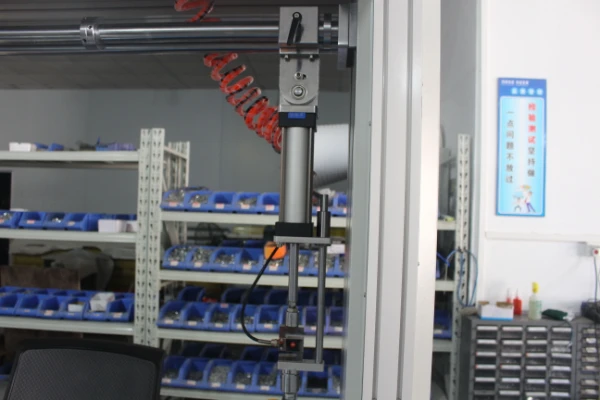
We match the loading system, working area, fixtures, sensors, control functions and safety features to your product and test method.
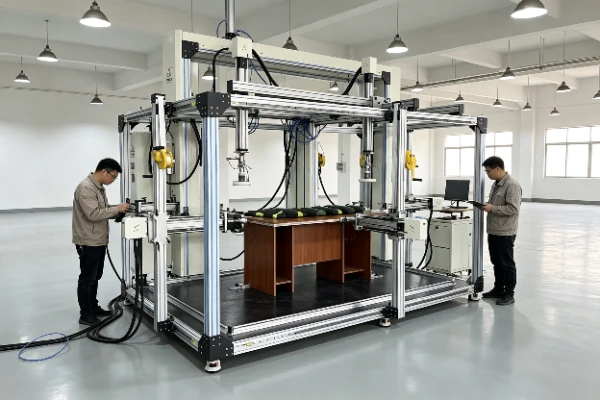
Before production, we confirm the equipment layout, fixture interfaces, utility requirements, test sequence and reporting needs with your team.
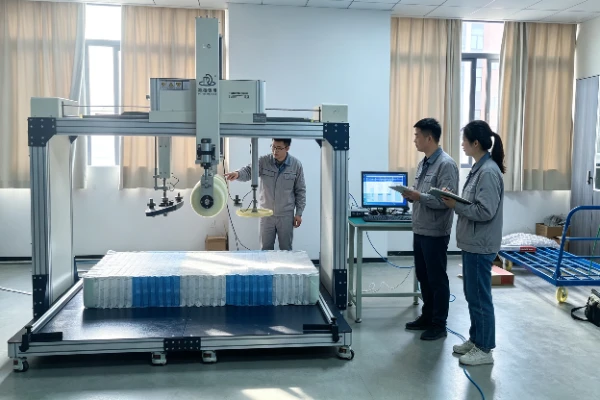
We provide setup guidance, operating documentation and technical support to help your team install, operate and maintain the testing system.
Send us your product dimensions, target standard and required test items.


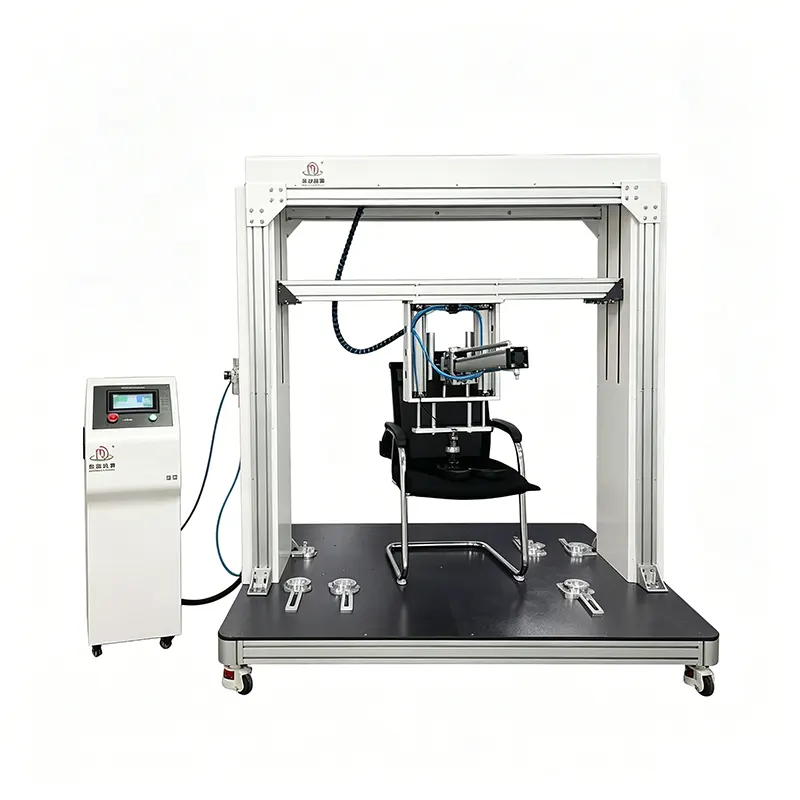
A chair can arrive complete but still be unready for testing: the assembly instructions may be missing, the adjustment position may be unclear, or an earlier load test may have changed its condition. Resolve these details before loading starts so the results can be traced to the actual specimen and setup. This furniture test sample preparation checklist is for manufacturers and laboratories planning mechanical tests on chairs, tables, sofas and mattresses. It also identifies where foam specimens need a separate preparation plan. It is a planning aid, not a substitute for a controlled test procedure. Before dispatch Agree the test scope, sample allocation and assembly requirements. Identify each specimen and photograph its condition. At laboratory receipt Check identity, transit condition, components and documentation. Record discrepancies before assembly or testing. Before the first load Confirm conditioning, configuration, fixture access and baseline observations against the approved test plan. 1. Agree the Test Plan Before Selecting Samples Start with the product’s intended use, the required standard edition and the selected test items. A broad request such as “test this chair” does not define sample quantity, test sequence or acceptance criteria. Use the furniture testing requirements guide to organise the scope discussion, then obtain a specimen plan from the responsible laboratory. Identify whether the work is design development, production verification or an assessment against specified requirements. List the exact model, construction revision and configurations to be evaluated. Confirm which actions may share a specimen and which require separate or unused specimens. Agree how damage, deviations and replacement samples will be handled. Do not assume that one product can be reused for every test. Prior loading may affect later observations, and the selected procedure may prescribe a sequence. Additional samples should be planned with the laboratory rather than added through an arbitrary universal sample count….
A buyer asking for “EN 1730 testing” may be referring to how a table is tested, while your laboratory still needs to establish which product requirements apply. EN 1730, EN 12521 and EN 15372 have different roles. Identifying that role before ordering equipment helps avoid an incomplete test programme or a fixture package intended for the wrong product. Quick answer: EN 1730 provides table and desk structural test methods. EN 12521 specifies requirements for domestic tables intended for adults. EN 15372 specifies requirements for non-domestic tables within its scope. Office work tables and desks are excluded from both requirement standards and need separate scope review, including the relevant EN 527 documents. 1. Compare the Three Standards by Role EN 1730:2012 — methods Explains methods for evaluating structural stability, strength and durability of tables and desks. It does not itself set the end-use requirements for every table. EN 12521:2023 — domestic tables Addresses safety, strength and durability requirements for adult-use domestic tables, including relevant glass constructions. Check exclusions and the selected product configuration. EN 15372:2023 — non-domestic tables Addresses requirements for non-domestic tables within its scope. The term “non-domestic” does not make it applicable to every table used outside a home. The editions above are the published versions identified in the official catalogues checked on 13 October 2026. An EN 12521 amendment identified as EN 12521:2023/prA1:2026 is a draft. A catalogue label such as “current” on a draft entry does not turn the proposal into a published replacement. Confirm the controlled edition required by the purchaser and laboratory. 2. EN 1730: The Test-Method Layer EN 1730 supplies structural methods that can be relevant to different table uses and designs. The selected product requirement or buyer specification determines the applicable actions, performance criteria and any referenced procedural details. Writing “EN 1730 passed”…
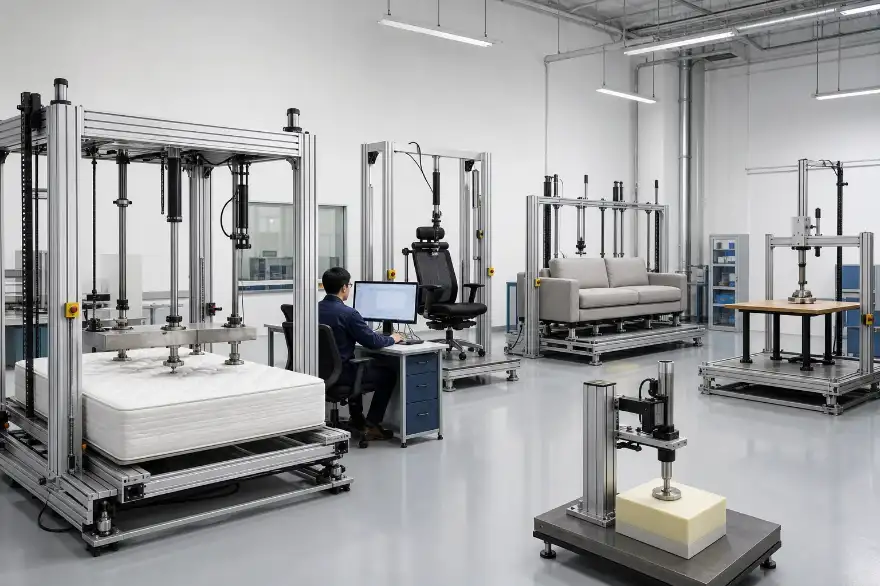
When two furniture testing machines look similar, their quotations can still describe very different purchases. One may include the required loading fixtures, measuring instruments and installation work; another may quote only the base frame. Comparing the headline prices can leave a laboratory paying later for functions it expected to receive. Quick answer: The cost of furniture testing equipment depends on the test actions, specimen envelope, loading system, fixtures, measurement functions, records and delivery scope. Build one requirement sheet, obtain itemized quotations against it, and compare the cost of getting each proposed system ready for your intended work. 1. What Does “Furniture Testing Equipment Cost” Include? A single tester, a multi-action frame and a complete laboratory are different purchasing scopes. Start by stating which one you need. An internet price without the offered configuration cannot establish the budget for your actual programme. Machine purchase The frame, actuator or motion system, controller and the accessories explicitly included in the base package. Ready-to-test project The machine plus required fixtures, measuring functions, utility preparation, delivery, installation and agreed acceptance checks. Ongoing operation Consumables, maintenance, calibration or verification, software support where applicable, operator time and any outsourced tests. Keep the equipment budget separate from fees for testing your furniture at a laboratory. A testing-service quote buys a defined evaluation of samples; a machine quote buys equipment with a defined capability and delivery scope. If you need an internal QC system, state the in-house test actions before asking suppliers for a price. 2. Scope the Budget by Test Action Use the furniture testing equipment catalogue to identify relevant product groups, then turn the selected methods into an equipment list. Mattress, sofa, chair, table and foam work can require different loading mechanisms and specimen arrangements. Counting models or frames is less useful than identifying which actions and…
A table can carry a heavy load without breaking and still tip when force is applied near an edge. It can also remain upright while its top, legs or joints deform. These are different performance questions, so choosing a table tester starts with deciding which response your laboratory needs to evaluate. Quick answer: Use static load testing to evaluate structural response under specified loads. Use stability testing to evaluate resistance to tipping under a defined setup. Review DR-J701 for the structural loading direction and DR-J702 for a focused stability setup. If your programme requires both, ask whether a verified combined configuration or separate stations best fits your specimens and workflow. 1. Stability and Static Load Testing at a Glance Static load: structural response Apply a defined vertical or horizontal load to the selected part of the table. Inspect the structure and record the required deformation, damage or functional observations. Stability: tipping response Apply the prescribed load or force with the specified support, stops and table configuration. Observe whether the table resists overturning under those conditions. Durability: repeated loading Repeated loading evaluates response over a specified sequence. It is an additional action; a static-load result does not demonstrate cyclic durability. The distinction is the question being answered and the prescribed setup. Both strength and stability work may use vertical and horizontal forces. The presence of a cylinder, a weight or a load cell therefore does not identify the test by itself. 2. What a Static Load Test Evaluates Static loading applies the specified load at a defined location and direction for the required sequence or holding period. Depending on the selected procedure, the laboratory may examine a main tabletop, an ancillary surface, legs, joints or another structural feature. Loads, locations and acceptance criteria come from the applicable test plan. For structural…
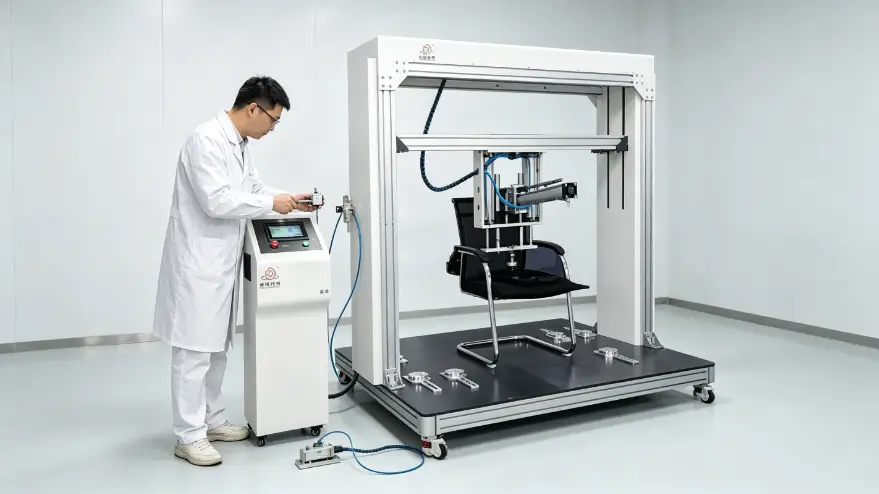
Furniture laboratory quality-control guide Furniture testing equipment can repeat thousands of load, impact or movement cycles, but repetition alone does not make a result reliable. The laboratory must know which measurement channels affect the result, how their performance is checked and what evidence supports every reported value. Quick answer: A useful calibration program starts with an equipment register and a measurement-function inventory. For each machine, define the required range and accuracy, identify force, displacement, speed, time, mass and environmental channels, assign daily checks and intermediate verification, obtain traceable calibration where required, review the certificate against your acceptance limits and document any out-of-tolerance impact before returning the machine to service. Calibration planning begins with the actual measurement functions used by the furniture test—not merely the machine model name. Calibration, Verification, Daily Check and Maintenance Are Different CalibrationEstablishes the relationship between an instrument indication and reference values under stated conditions, normally with uncertainty reported. VerificationUses objective evidence to confirm that specified requirements or laboratory acceptance limits are met. Daily or pre-use checkConfirms readiness before testing—for example zero response, fixture security, travel freedom and obvious sensor damage. MaintenanceKeeps the mechanical and electrical system functional. Maintenance does not replace calibration or verification. A calibration sticker with a future due date is not enough by itself. The laboratory still needs to confirm that the calibrated range covers its use, the uncertainty is suitable for the decision, the correct sensor was calibrated and the result meets the laboratory’s documented acceptance criteria. Start with an Equipment and Measurement Register Create one controlled record for every machine and every removable measurement device. Assign unique IDs to the main frame, load cells, displacement sensors, impact masses, reference weights, timers, speed channels and portable reference instruments. If a sensor can move between machines, track it separately. Register field What to…
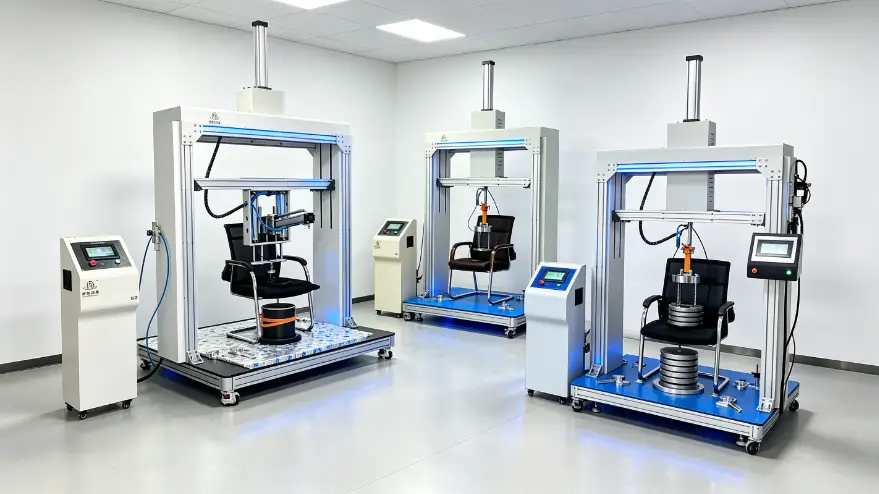
Furniture testing planning guide Furniture testing requirements depend on what the product is, where and how it will be used, the market it will enter, and the specification named by the buyer. This guide helps manufacturers and laboratory teams turn those inputs into a practical test scope and an equipment-ready request. Quick answer: Most furniture test plans combine visual and dimensional checks with stability, static strength, durability or fatigue, impact, functional and material tests. The exact combination is not universal. Start with the product and intended use, confirm the destination market and contract, obtain the current applicable standards, identify the required test methods and acceptance criteria, and only then select the machine, fixtures, force range, specimen envelope and reporting functions. A furniture test plan should connect each product, target market and decision to the correct test method and equipment configuration. ProductChair, sofa, table, desk, mattress, bed or cushioning material. Intended useDomestic, office, contract, educational, hospitality or another defined environment. MarketThe destination country, retailer, project or customer specification. DecisionDesign validation, incoming inspection, production QC, comparison or formal reporting. There Is No Single Test List for Every Piece of Furniture A dining chair, a task chair, a public-lounge sofa and a mattress do not carry load in the same way. Their users, foreseeable misuse, mechanisms and failure modes also differ. A useful test plan therefore begins with classification rather than a catalogue of machines. Standards can play different roles. One document may define test methods, another may define requirements for a particular end use, and a buyer may add its own protocol. For example, a seating test-method standard can explain how forces are applied without setting the acceptance level for every market. The signed purchase specification or approved test plan must identify the governing requirement. Important: A test result applies to the…

Tell us what furniture product you need to test and your key requirements. Our engineers can recommend suitable equipment, fixtures and configuration for your application.

+86 135 2795 8363

shirley@deruitest.com

+86 15580327593
Tell us about your requirements — our team will analyze and provide you with a customized quote, technical datasheet, and lead time within 24 hours.