Derui chamber
 Message
DR-J701 · TABLE & DESK TESTING
Configure Table Load Tests Around the Specimen and Method
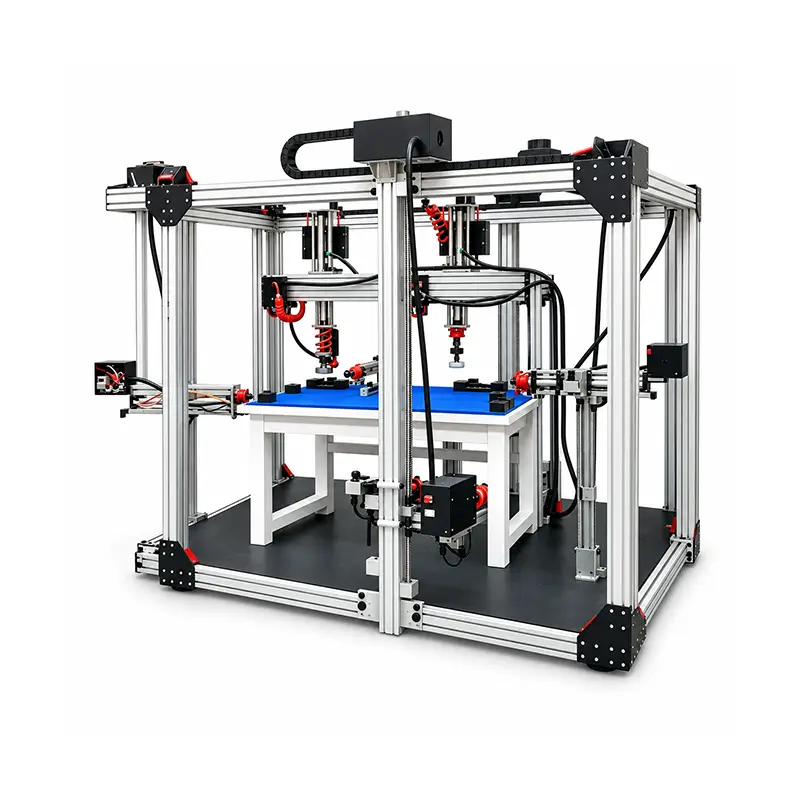
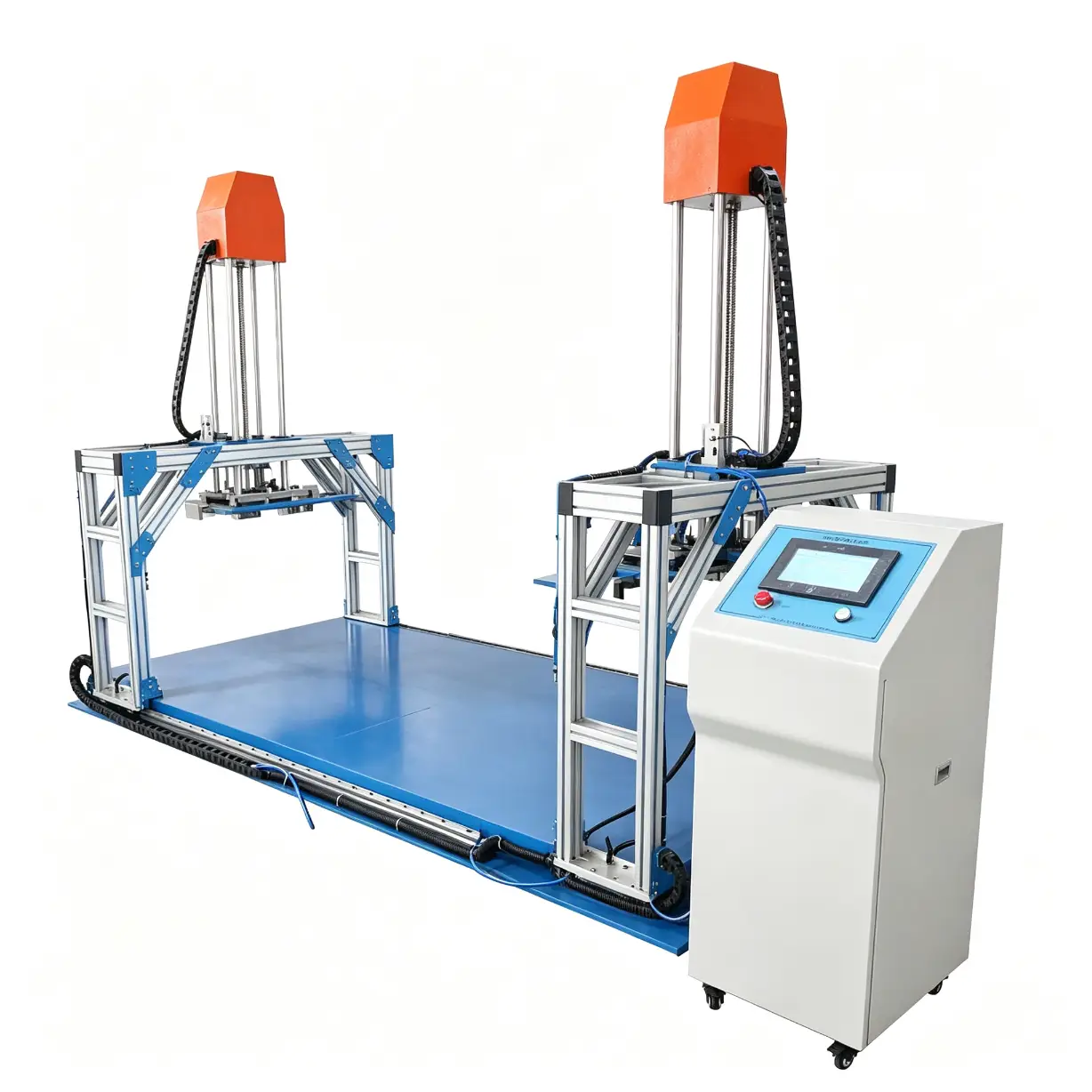
Evaluate the response of a table or desk structure to prescribed loads. The DR-J701 Table Static Load Tester is an equipment direction for manufacturers and laboratories reviewing tabletop, leg, frame and connection behaviour under defined loading conditions.
Begin with the specimen geometry and required loading actions. Specify vertical or horizontal loads, contact points, holding periods and measurements. If the programme also includes cyclic loading, confirm that capability and the necessary fixtures separately.
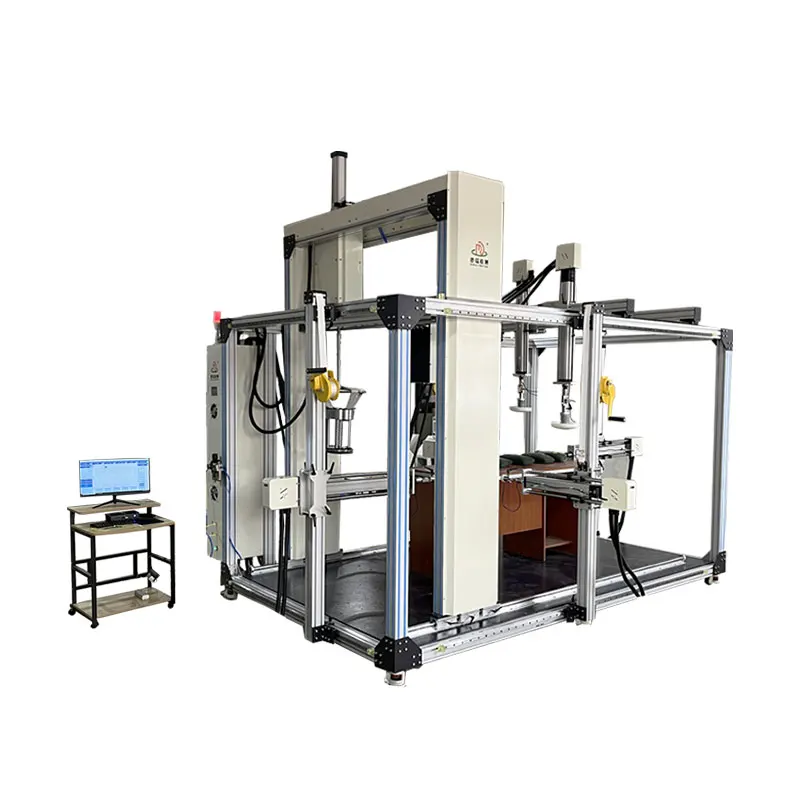
Select the Loading Tasks for Your Project
Tabletop and Frame Loading
Define load positions, pad arrangements and supports for the structure being assessed rather than choosing capacity alone.
Horizontal Load Tasks
Review force direction, contact height and method-specific stops or restraints for the required structural-load procedure.
Adjustable Desk Configurations
Provide the relevant height settings, extensions and base geometry so loading-point access and fixture clearance can be reviewed.
EN 1730 Provides Methods, Not Every Product Requirement
EN 1730:2012 describes structural stability, strength and durability test methods for tables and desks. It does not provide the requirements for every end use. Identify the applicable product requirements and selected test items before setting up the equipment.
For office work tables, EN 527-2 is a relevant requirements reference; commercial desk and table projects may specify ANSI/BIFMA X5.5. Confirm the contract edition and the product’s scope rather than treating one machine as complete coverage of every structural, storage, electrical or mechanism test.
The furniture testing requirements guide can help organise this scope. A method designation alone does not establish the DR-J701’s rated force, specimen capacity or included accessories.
Scope sources: BSI: EN 1730 method scope · BSI: EN 527-2 requirements. These sources describe standard scope, not DR-J701 hardware specifications.
Define the Configuration Before Ordering
Use this checklist to compare quotations. Required settings and supplied equipment ratings are different information: request the approved measuring ranges, specimen envelope and fixture details. The items below are configuration questions, not a list of default accessories.
Specimen Envelope
Provide tabletop length, width and height, mass, leg/base layout and any extension or height-adjustment settings to be tested.
Loads and Fixtures
Specify force directions, contact locations, pad geometry, holding times and support/stop arrangements for each action.
Measurements and Control
Identify required force records, deflection instruments and any cycling functions. Confirm channel count and sequencing for the offered configuration.
Identify the controller functions and instruments needed for the task. Agree any automatic sequences, alarm behaviour, data outputs and report formats in writing. Calibration documents, installation assistance and commercial terms should be stated in the quotation rather than inferred from an online description.
Separate Structural Loading from Tipping Evaluation
- Record the table configuration, including adjustable heights, extensions and base settings required by the procedure.
- Locate the loading points and confirm that the fixtures do not unintentionally change the structural response.
- Apply the specified load sequence and holding periods, using the agreed measurements.
- Inspect the relevant tabletop, leg, frame and joint conditions at the required stages.
- Evaluate results against the specified product requirements and retain the test conditions with the records.
Structural strength and resistance to overturning are different evaluations. Do not add counterweights or restraints indiscriminately: an arrangement suitable for one action may prevent tipping in a stability evaluation. The DR-J702 table stability tester is a separate equipment direction for review when the requirement is resistance to tipping.
Specify What Needs to Be Measured
An applied force, a deflection reading and an overturning observation are different results. Agree which instruments are included and how results are recorded. The equipment calibration checklist helps plan checks for the actual force and displacement system; machine capacity is not measurement accuracy, and a controller alarm is not automatic diagnosis of a failed joint.
Questions Before You Purchase
Does the DR-J701 perform every EN 1730 test?
Do not assume full coverage. List the required actions and review the quoted loading mechanisms, fixtures and measurement functions for each one.
How many loading channels should I order?
Use the procedure and specimen layout to determine the need. One-after-another loading and simultaneous multi-point loading require different arrangements; channel count should be confirmed in the quotation.
Can I use the load-test arrangement for stability too?
Only after a method-specific review. Structural restraints must not inadvertently prevent the table from tipping. Do not use a strength result as proof of stability.
Can it evaluate sit-stand desks?
Provide the heights, tabletop and base geometry, plus the required actions. Structural loading does not automatically include electrical safety or repeated operation of the height-adjustment mechanism.
Related Equipment and Test Planning
Table Selection
Table & Desk Testing Equipment — Compare structural load and stability equipment directions.
Test Scope
Furniture Testing Requirements — Organise product scope and additional test tasks before specifying a laboratory.
Laboratory Checks
Calibration Checklist — Plan force and displacement checks relevant to the selected instruments.