Derui chamber
 Message
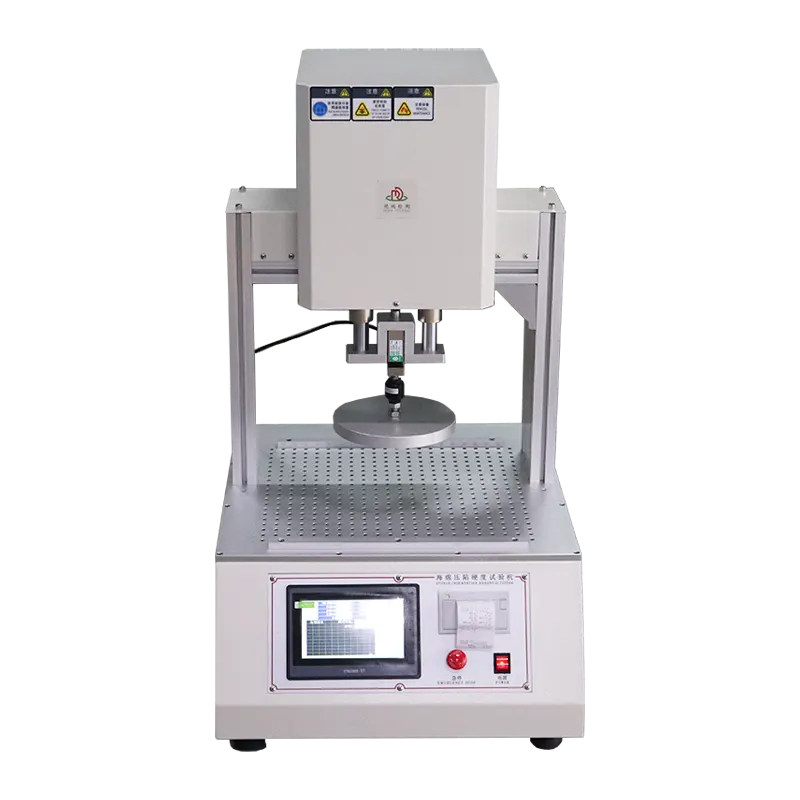
DR-J801 · FOAM INDENTATION HARDNESS TESTING
Compare Foam Firmness with a Defined Test Setup
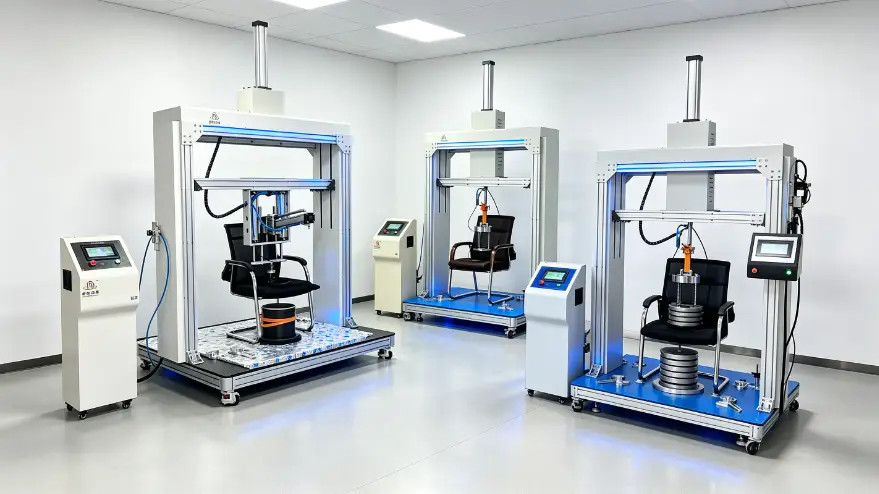
Evaluate the force needed to indent a flexible foam specimen under specified conditions. The DR-J801 Foam IFD Hardness Tester is an equipment option for foam producers, mattress and seating manufacturers, and laboratories comparing indentation hardness for material selection or quality control.
Start with the foam type, specimen size and required test method. Matching the measuring range, indenter, support and loading sequence is more useful than comparing a machine name or a hardness number alone.
Choose the Tester for Your Foam Evaluation Task
Incoming Foam Inspection
Compare purchased foam against an agreed indentation hardness specification using consistent specimen preparation and test conditions.
Production Batch Comparison
Evaluate changes in foam firmness between batches without treating density or one force reading as a complete description of material performance.
Material Development
Compare candidate cushioning materials at the selected indentation levels. Keep the test conditions and reporting basis consistent when reviewing results.
IFD (indentation force deflection) and ILD (indentation load deflection) are terms used for foam indentation measurements. The name or unit alone does not establish equivalence: confirm the method, specimen thickness, indentation level, loading history and holding time before comparing supplier data. Our foam IFD tester selection guide explains how to prepare the equipment requirement.
ASTM D3574 and ISO 2439: Confirm the Selected Method
ASTM D3574 covers a range of test methods for flexible polyurethane foams. Its indentation methods are relevant to an IFD equipment enquiry; this does not mean the DR-J801 performs every compression, tensile, tear or fatigue test in that standard.
ISO 2439:2008 addresses indentation hardness of specified open-cell flexible cellular materials. Methods A–D address different hardness measurements, while Method E addresses compressive deflection coefficient and hysteresis loss. Identify the required method and edition; the machine’s installed fixtures, control sequence and outputs must be reviewed for that task.
A reference to either standard is not a certification claim or a guarantee of complete method coverage. Do not substitute one method’s indentation levels, timing or specimen setup for another. The agreed procedure remains the authority for preparation, testing and reporting.
Method scope sources: ISO 2439 official scope and Instron’s ASTM D3574 equipment guide. These sources describe test methods, not DR-J801 hardware specifications.
Specify the Measuring System and Fixtures Before Ordering
Use the following configuration checklist to compare quotations. Numeric capacities and included functions should come from an approved DR-J801 datasheet, not from a standard reference or an unverified product description.
Force Measurement
Provide the expected force range, including soft specimens. Agree capacity, usable measuring range, resolution, accuracy basis and calibration requirements.
Specimen and Clearance
Provide length, width, thickness and material construction. Confirm support area, clearance and travel for the actual specimen and required indentation.
Indenter and Support
Specify the selected method’s indenter geometry, alignment and support arrangement. For applicable ASTM indentation work, review the required perforated support fixture.
Loading Sequence
Confirm preconditioning, approach and indentation speeds, deflection points, holding periods and return sequence for the required procedure.
Controller and Results
Agree which functions are supplied: sequence control, force readings, curves, calculations and data export. Request a sample report where reporting is important.
Installation and Documentation
Confirm supply voltage, installed footprint and mass, safe operation requirements, supplied manuals and any calibration documents in the quotation.
Do not assume that a touchscreen, a motor brand, an automatic support-factor calculation or a particular export format is included without written confirmation. Separate the base configuration, requested accessories and any additional method capability in the purchase specification.
Make Batch and Laboratory Comparisons Meaningful
- Identify the foam and specimen dimensions, including thickness and any layered construction.
- Prepare and condition specimens according to the selected procedure, and record any deviations.
- Use the prescribed support, contact arrangement, loading history and measurement sequence.
- Check force and displacement measurement as applicable; agree traceability and intermediate checks.
- Report the method and edition, units, indentation points and other relevant test conditions alongside the results.
Different preparation or loading conditions can produce differences that are not attributable to the foam alone. Use the equipment calibration and intermediate-check checklist to plan the measurement controls relevant to your laboratory. A factory document is not automatically an accredited calibration certificate.
Hardness, Compression Set and Fatigue Are Different Tests
Indentation hardness measures response under a defined indentation procedure. Compression set examines residual thickness change after specified compression and recovery. Dynamic fatigue examines changes following repeated loading. An initial IFD result alone does not establish foam lifetime, resilience classification or finished mattress comfort.
If your programme includes before-and-after fatigue hardness measurements, agree compatible specimens and measurement conditions as well as the fatigue procedure. Do not assume a generic cycle count completes every method. See the foam compression set and dynamic fatigue comparison before selecting additional equipment.
Questions Before You Purchase
Can it evaluate memory foam or latex foam?
Provide the material type, sample thickness and target procedure. Suitability depends on the material scope and method-specific preparation as well as the measuring system; it should be confirmed for the offered DR-J801 configuration.
Can I compare an ILD value directly with an IFD value?
Only after checking the units and test conditions. Similar terminology does not establish identical specimen preparation, indentation levels or measurement timing.
Does this machine also perform compression force deflection?
Full-area compression is a different fixture and method requirement from indentation hardness. Ask for a separate capability review; changing an indenter alone is not proof that a complete compression procedure is supported.
Can I receive a quotation without knowing the final force range?
Yes. Start with your foam type, specimen dimensions, target method and any available force results. Ask Derui to review the configuration and identify the information still needed before a final specification is agreed.
Related Foam Testing Equipment
Compression Set
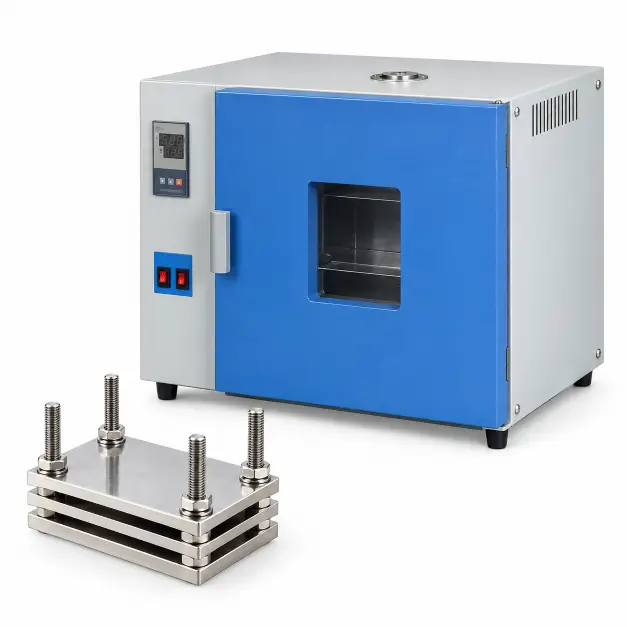
DR-J204 Foam Compression Set Tester — oven and compression-fixture equipment for the relevant sustained-compression and recovery procedure.
Repeated Loading
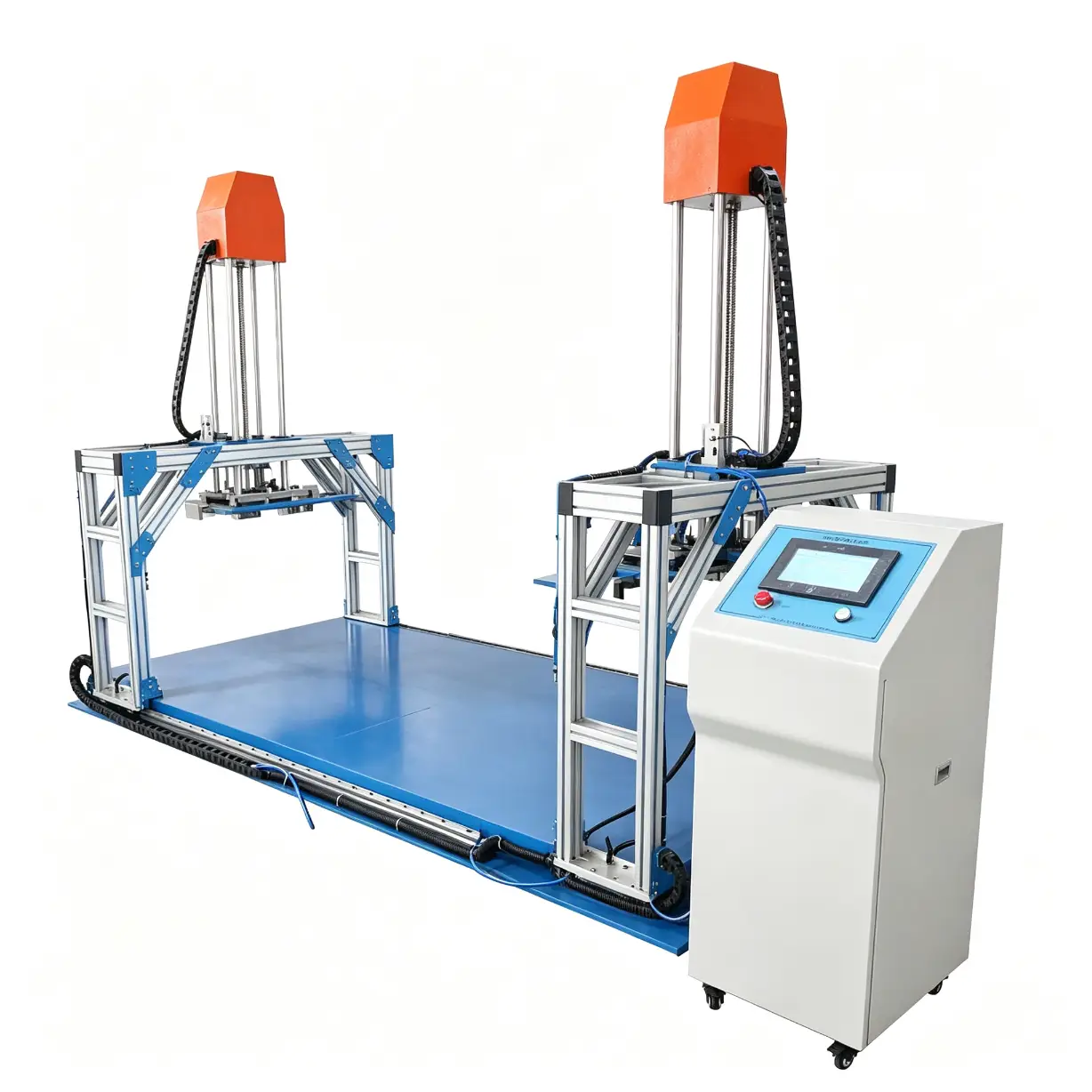
DR-J802 Foam Dynamic Fatigue Tester — review the loading principle and measurement arrangement for the required fatigue method.
Compare Equipment Tasks
Foam Testing Equipment — compare indentation hardness, compression set and repeated-load testing directions.