Derui chamber
 Message
DR-J802 · REPEATED-LOAD FOAM EVALUATION
Evaluate Foam Changes After Repeated Loading
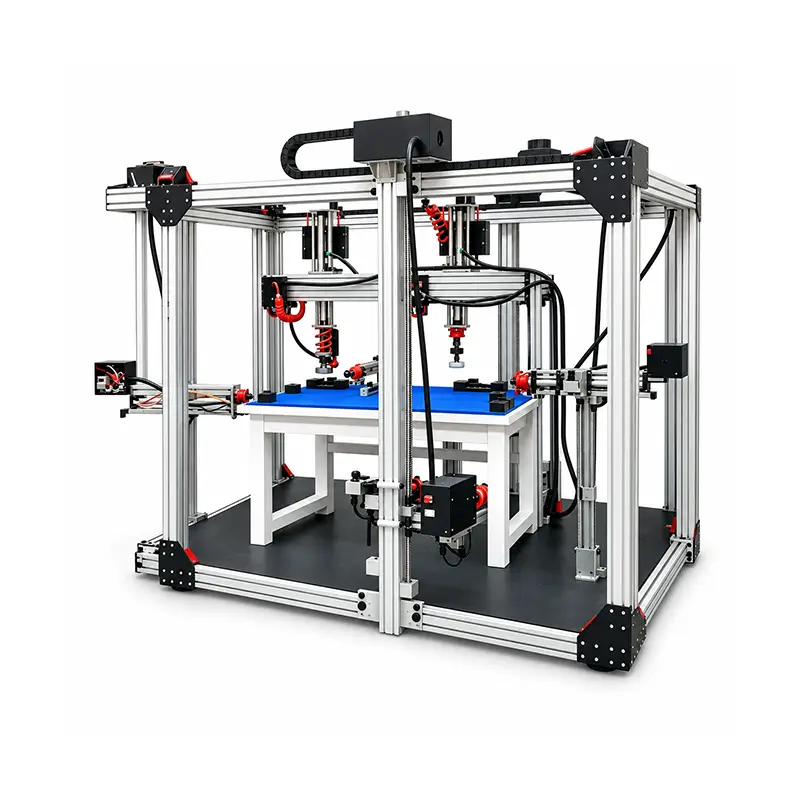
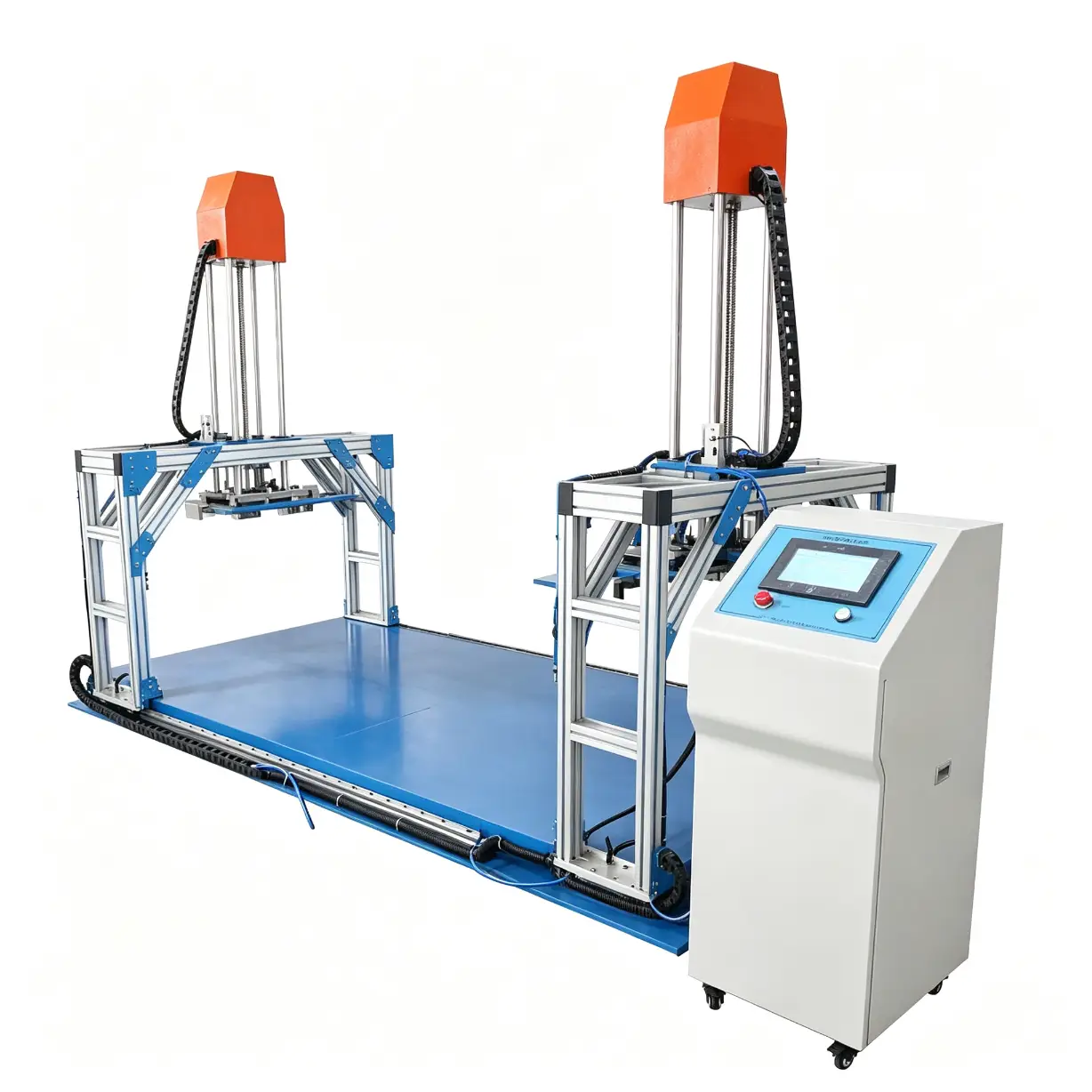
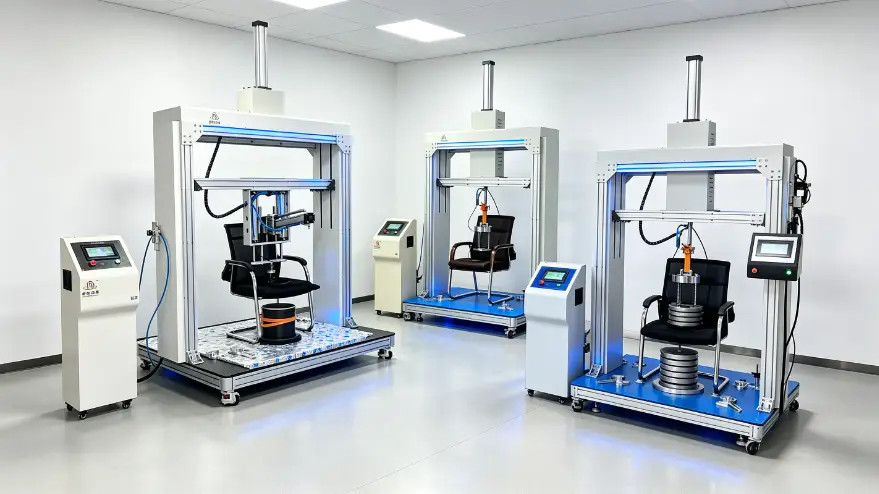
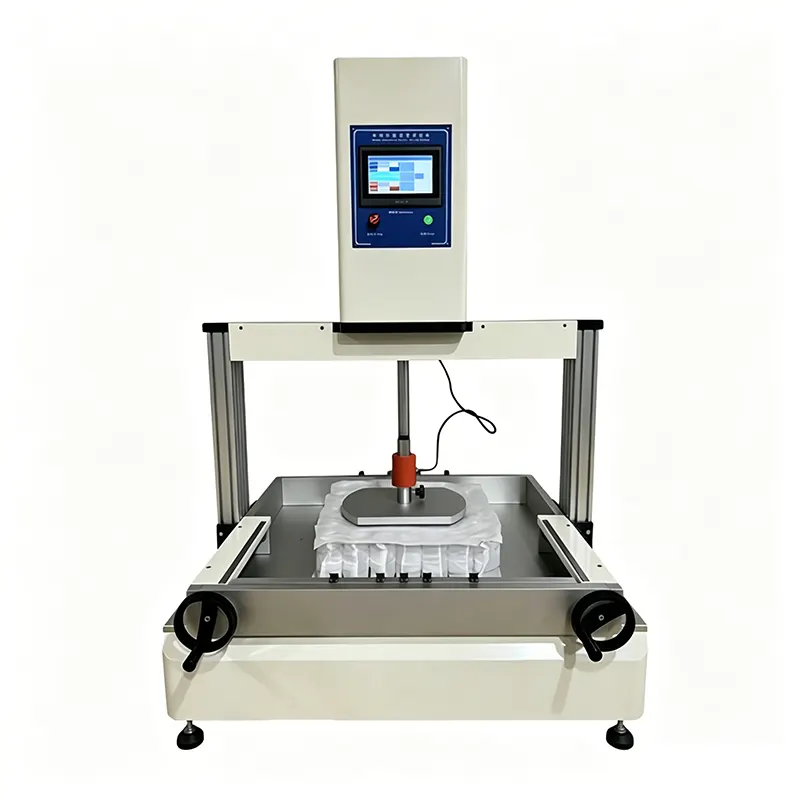
Initial firmness does not describe how a cushioning material responds after repeated use. The DR-J802 Foam Dynamic Fatigue Tester is an equipment option for manufacturers and laboratories planning repeated-compression evaluation of flexible foam for seating, upholstery and bedding material development.
Define the fatigue procedure and the measurements needed before selecting a configuration. For a constant-load pounding requirement, review the loading principle, fixture arrangement and control capability of the offered DR-J802—not only the programmed cycle count.
What Your Foam Fatigue Programme Can Evaluate
Thickness Change
Compare specimen thickness before and after the prescribed loading and recovery sequence. The thickness measurement arrangement is part of the test plan.
Hardness Change
Evaluate changes in indentation hardness with a suitable measurement setup. Do not assume the fatigue rig includes an integrated hardness tester.
Material Comparison
Compare foam batches or candidate cushioning materials using the same controlled procedure, specimen preparation and reporting basis.
Dynamic fatigue and compression set answer different questions. Repeated loading evaluates changes after a defined cyclic sequence; compression set evaluates residual deformation after a specified sustained compression and recovery procedure. Use the foam compression set and dynamic fatigue guide to select the equipment task before comparing models.
Match the Loading Principle to ISO 3385 or ASTM D3574
ISO 3385:2014 describes constant-load pounding fatigue evaluation for flexible cellular materials used in load-bearing applications such as upholstery. The evaluation concerns loss of thickness and hardness. The standard’s public scope also cautions that laboratory changes are not necessarily the same as changes occurring in service.
ASTM D3574 Test I3 is a relevant constant-force pounding method for flexible polyurethane foam. Use the requested edition and procedure to establish the loading sequence, specimen preparation and reporting requirements; do not assume every ISO and ASTM procedure has interchangeable conditions.
A fixed displacement or fixed stroke programme is not automatically a constant-load pounding programme. A foam specimen can change response during cycling, so confirm how the offered equipment achieves and verifies the required load condition over the test. The drive type by itself does not establish method suitability.
Method references identify the configuration to review; they are not a claim that the DR-J802 has been certified or that every fatigue method is included. Other material or customer-specific procedures require a separate capability assessment.
Scope references: ISO 3385 official scope and ZwickRoell’s constant-load pounding guide. These explain test principles, not DR-J802 specifications.
Specify the DR-J802 Configuration Before Comparing Quotes
Describe the required procedure and request written confirmation of the following items. This is a purchasing checklist, not a statement that every feature is supplied as standard.
Loading and Verification
Required load, permitted variation, loading waveform or contact sequence, and how the applied load is verified during cycling.
Cycles and Frequency
Required cycle count and frequency, counter behaviour, completion stop and any pause or restart requirements.
Head and Specimen Support
Loading-head geometry, alignment, support arrangement and clearance for the actual specimen. Confirm method-specific ventilation or perforation requirements.
Foam and Specimen Size
Material type, specimen dimensions, shaped or slabstock construction and required positions. Distinguish a standard specimen size from the machine’s maximum capacity.
Before-and-After Measurements
Thickness and hardness measurement instruments, fixtures and data handling. Identify separate equipment and accessories in the quotation.
Installation and Operation
Installed dimensions and mass, electrical supply, any compressed-air requirement, guarding, maintenance access and supplied operating documentation.
Ask which controller functions, stored programmes, outputs and report formats are included. Agree calibration documentation and commercial terms separately. Do not infer an automatic measurement system, software package, noise rating or accredited certificate from a product name.
Plan Fatigue Loading and Measurement as Separate Stages
- Prepare and identify each specimen using the selected method’s material, conditioning and geometry requirements.
- Record the required initial thickness and hardness using suitable instruments and the prescribed procedure.
- Run the defined fatigue sequence, documenting settings, specimen position and interruptions.
- Observe the specified recovery and post-test measurement conditions before measuring again.
- Report the changes with the method, edition, units and calculation basis; retain the initial and final measurements.
Confirm whether measurements are taken on the fatigue rig or on separate instruments. Where a separate indentation tester is used, the fixtures and measuring range must suit the post-fatigue procedure. A complete evaluation needs both the loading task and the correct measurements; a counter showing the target cycles is not the complete result.
Force, frequency, displacement or thickness checks should follow the instruments and method used in your configuration. The equipment calibration and intermediate-check checklist helps organise that review without treating a generic factory certificate as proof of laboratory accreditation.
Use Fatigue Results for Comparison, Not a Years-of-Life Promise
A specified laboratory cycle count does not have one universal conversion to years of sitting or sleeping. Foam composition, product geometry, use conditions and the selected procedure affect how results relate to field performance. Do not describe a completed fatigue sequence as a guaranteed service life.
Foam material testing also does not replace finished sofa, chair or mattress testing. The furniture testing requirements guide helps separate material evaluation from product-level test planning. Use agreed acceptance criteria rather than applying one generic percentage-loss threshold to every material or application.
Questions Before You Purchase
Is this the same equipment as a foam IFD hardness tester?
No. The DR-J802 equipment direction is repeated-load fatigue evaluation. Indentation hardness testing is a measurement task that may be required before and after fatigue. Confirm whether separate hardness equipment is needed.
Does the DR-J802 automatically measure thickness and hardness loss?
Do not assume this from the model name. Ask which measurement instruments, fixtures and calculations are included in the supplied configuration and which are separate.
Can it test molded cushions as well as cut foam blocks?
Provide the shape, dimensions and intended procedure. The support and loading contact must be suitable for the specimen; confirm method applicability and fixture clearance before ordering.
How do I request a quotation if I only have a customer test requirement?
Send the requirement and a specimen photo or drawing. Ask for a configuration review covering the loading procedure, measuring instruments and any accessories needed before agreeing the final specification.
Related Foam Testing Equipment
Indentation Hardness
DR-J801 Foam IFD Hardness Tester — review the hardness measurement configuration required for material comparison or before-and-after fatigue work.
Compression Set
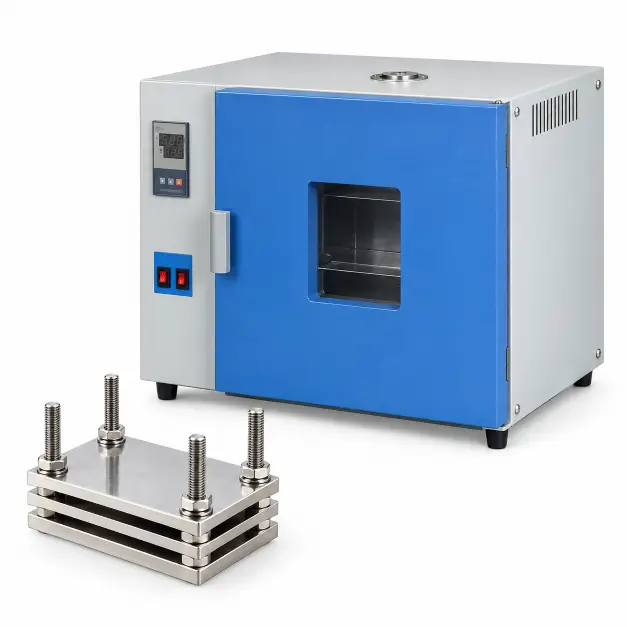
DR-J204 Foam Compression Set Tester — oven and compression-fixture equipment for a separate sustained-compression and recovery evaluation.
Compare Testing Tasks
Foam Testing Equipment — compare hardness, compression set and repeated-load equipment directions.